
Unlocking Your Financial Future: A Beginner's Expert Guide to Credit

Hello future financially savvy individual! As a world-class expert in credit, I'm here to demystify one of the most powerful tools in your financial arsenal: credit. Forget the complex jargon and intimidating numbers you might have heard. Today, we're going to break down credit into simple, easy-to-understand concepts, guiding you from a curious beginner to someone confident in managing their financial destiny. Think of me as your trusted mentor, ready to unveil the secrets to building a strong financial foundation.
What Exactly IS Credit? (And Why Should You Care?)
Let's start with the absolute basics. Imagine you want to buy a delicious slice of pizza, but you left your wallet at home. Your friend, trusting you, says, "Don't worry, I'll pay for it now, and you can pay me back tomorrow." That, my friend, is credit in its simplest form. It's the ability to borrow money or access goods and services with the understanding that you will pay for them later, usually with interest.
Why should you care? Because in the real world, credit isn't just for pizza. It's for big life goals: buying a house, getting a car, funding your education, even starting a business. Lenders (banks, credit unions) need to know they can trust you to repay what you borrow. Your credit history and credit score are essentially your financial reputation – a report card that tells lenders how reliable you are as a borrower. A good credit reputation opens doors; a poor one can close them.
The Heart of Credit: Your Credit Score
Your credit score is like a three-digit summary of your financial trustworthiness. It's a number, typically ranging from 300 to 850, that lenders use to quickly assess the risk of lending money to you. The higher your score, the better you look to lenders, and the more favorable terms (like lower interest rates) you're likely to receive.
Think of it this way: when you apply for a loan or a credit card, lenders don't have time to review every single transaction you've ever made. So, they rely on this score, which is calculated by complex algorithms (like FICO and VantageScore) based on the information in your credit reports. These reports detail your borrowing and repayment history. Understanding what influences this score is the key to mastering your credit journey.

The Secret Sauce: What Makes Up Your Credit Score?
While the exact formulas are proprietary, the credit bureaus (Experian, Equifax, TransUnion) and scoring models generally consider five main factors. Let's break them down simply:
1. Payment History (Around 35%): Did you pay on time?
This is the big one. It simply tracks whether you make your credit payments on time, every time. Late payments, especially severe ones (30, 60, 90+ days late), can significantly hurt your score. Consistent, on-time payments are the single most important habit for good credit.
2. Amounts Owed (Around 30%): How much do you owe vs. how much credit you have?
This is often called "credit utilization." It looks at how much of your available credit you're actually using. If you have a credit card with a $1,000 limit and you owe $900 on it, your utilization is 90% – which is very high. Experts generally recommend keeping your credit utilization below 30% across all your accounts. Lower is better!
3. Length of Credit History (Around 15%): How long have you been using credit?
Lenders like to see a long track record of responsible credit use. This factor considers the age of your oldest credit account, the age of your newest account, and the average age of all your accounts. The longer your history, the better, assuming it's a history of good behavior.
4. New Credit (Around 10%): Are you opening many new accounts?
Opening several new credit accounts in a short period can sometimes signal risk to lenders, as it might suggest you're desperate for credit or taking on too much debt. Each time you apply for credit, a "hard inquiry" is made on your report, which can slightly ding your score for a short period.
5. Credit Mix (Around 10%): What types of credit do you have?
Having a healthy mix of different types of credit (like a credit card, which is "revolving," and a car loan, which is "installment") shows you can responsibly manage various financial obligations. This factor is less impactful than payment history or utilization but still contributes.
Key Takeaways on Credit Score Factors:
- Pay on time, every time: This is non-negotiable for a good score.
- Keep balances low: Don't max out your credit cards. Aim for under 30% utilization.
- Be patient: A long history of good behavior is rewarded.
- Be mindful of new applications: Only apply for credit when you truly need it.
- Diversify responsibly: A mix of credit types helps, but only if you can manage them.
Different Flavors of Credit: Revolving vs. Installment
Just like there are different kinds of pizza, there are different kinds of credit. Understanding the distinction helps you manage them better:
Revolving Credit: The Flexible Option
Think of a credit card. With revolving credit, you're given a credit limit, and you can borrow up to that limit, pay it back, and borrow again. There's no fixed end date. As long as you make minimum payments, you can keep using the credit line. Interest is charged on any balance you carry over from month to month. Credit cards and lines of credit are common examples.
Installment Credit: The Structured Loan
This is when you borrow a specific amount of money and agree to pay it back in fixed, regular payments (installments) over a set period (e.g., 36 months, 5 years). Once the loan is paid off, the account is closed. Car loans, student loans, and mortgages are classic examples of installment credit.
A healthy credit mix often includes both types, demonstrating your ability to manage different financial commitments. But remember, only take on credit you truly need and can afford to repay.
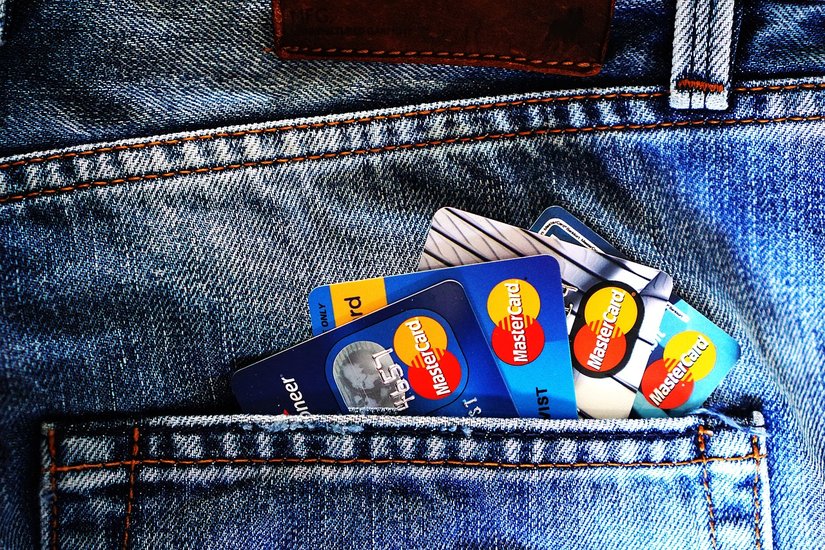
Building Your Credit Foundation: The First Steps
Starting from scratch? No problem! Everyone has to begin somewhere. Here's how you can build a strong credit foundation:
1. Pay All Your Bills On Time (Even Non-Credit Ones):
While utility bills or rent usually aren't reported to credit bureaus unless you default, developing a habit of paying everything on time is crucial. Some services now allow you to report rent or utility payments to boost your score.
2. Get a Secured Credit Card:
This is often the best first step. You deposit money into an account (e.g., $300), and that deposit becomes your credit limit. It functions like a regular credit card, but your deposit secures it, reducing risk for the lender. Use it responsibly (small purchases, paid off in full each month), and your on-time payments will be reported to the credit bureaus, building your history.
3. Consider a Student Credit Card:
If you're a student, many banks offer credit cards designed for you. They often have lower limits and specific perks for students but help you build credit just like a regular card.
4. Become an Authorized User:
If a trusted family member with excellent credit adds you as an authorized user on one of their credit cards, their positive payment history *might* appear on your credit report, giving you a boost. Ensure they are responsible with their credit, as their negative actions could also affect you.
5. Small Installment Loans (Credit-Builder Loans):
Some credit unions offer "credit-builder loans." You make payments into a savings account, and once the loan is paid off, you get access to the money. This demonstrates your ability to make regular installment payments.
Tips for Starting Your Credit Journey:
- Start small and be consistent.
- Never spend more than you can afford to pay back immediately.
- Aim to pay your full balance every month to avoid interest.
- Check your credit report regularly for accuracy.
The Power of Good Credit (and the Pitfalls of Bad Credit)
The Bright Side: What Good Credit Unlocks
Having a high credit score is like having a golden ticket. It demonstrates to lenders that you are a low-risk borrower, which translates into real financial benefits:
- Lower Interest Rates: For mortgages, car loans, and personal loans, a better score means you'll pay significantly less in interest over the life of the loan. This can save you thousands, even tens of thousands, of dollars.
- Easier Approvals: You'll have an easier time getting approved for loans, credit cards, and even rental applications.
- Better Insurance Rates: In many states, insurers use credit-based insurance scores to determine premiums. Good credit can mean lower rates on car and home insurance.
- Access to Better Credit Cards: Cards with rewards programs, cash back, travel points, and premium benefits are usually reserved for those with excellent credit.
- Lower Security Deposits: Landlords or utility companies might waive security deposits if you have a strong credit history.
The Dark Side: The Cost of Bad Credit
Conversely, a poor credit score can be a significant hurdle, making life more expensive and opportunities harder to grasp:
- Higher Interest Rates: If you get approved for a loan, it will likely come with a much higher interest rate, costing you more money in the long run.
- Loan and Credit Card Denials: Lenders may simply refuse to extend credit to you, making it difficult to finance major purchases.
- Difficulty Renting: Landlords often check credit, and a low score can lead to denial or require a larger security deposit.
- Higher Insurance Premiums: You might pay more for essential insurance coverage.
- Limited Job Prospects: Some employers, particularly in financial roles, may check credit as part of their background checks.

Mastering Your Credit: A Lifelong Journey
Building good credit isn't a one-time event; it's an ongoing process. Here's how to maintain and even improve your score over time:
- Monitor Your Credit Reports Regularly: You're entitled to a free copy of your credit report from each of the three major bureaus once a year at AnnualCreditReport.com. Review them for errors or fraudulent activity.
- Keep Credit Utilization Low: Continue to aim for under 30% utilization on your credit cards. Paying balances down is one of the quickest ways to boost your score.
- Never Miss a Payment: Set up automatic payments or reminders to ensure you're always on time.
- Don't Close Old Accounts (Carefully): If you have an old credit card with a good history, keeping it open (even if you don't use it often) helps your "length of credit history" and overall available credit.
- Be Strategic with New Credit: Only apply for credit when you genuinely need it, and space out applications to avoid multiple hard inquiries in a short period.
| Financial Aspect | With Good Credit | With Bad Credit |
|---|---|---|
| Loan Interest Rates | Lower, saving thousands | Higher, costing more |
| Credit Card Access | Premium cards, great rewards | Limited to secured/subprime cards |
| Housing (Rent/Mortgage) | Easy approval, lower deposits | Difficulty, higher deposits, denials |
| Insurance Premiums | Often lower rates | Often higher rates |
| Financial Opportunities | More choices, better terms | Fewer choices, unfavorable terms |
Expert Insights: Beyond the Basics
As you progress, remember that credit isn't just about borrowing money; it's about financial leverage. A stellar credit score allows you to make strategic financial decisions, whether it's refinancing a mortgage at a lower rate, securing capital for a business venture, or simply enjoying the peace of mind that comes with financial flexibility. It’s a tool that, when wielded responsibly, can significantly accelerate your wealth-building journey.
My final piece of expert advice for beginners: view credit not as permission to spend money you don't have, but as a commitment you're making to yourself and to your financial future. Every on-time payment, every low balance maintained, is a step towards unlocking greater opportunities and achieving your dreams.

Your Credit Journey Summary:
Credit is your financial reputation, summarized by your credit score. It impacts everything from loans to housing. Building it requires consistent, on-time payments, low credit card balances, and patience. Avoid common pitfalls like late payments and excessive debt, and actively monitor your credit reports. Mastering credit is a continuous process that empowers you to achieve significant financial goals.
Congratulations! You've just received a world-class crash course in understanding credit. You now possess the fundamental knowledge to navigate this crucial aspect of your financial life. Remember, the journey of a thousand miles begins with a single step. Start taking those responsible steps today, and watch as your financial future brightens before your eyes. You have the power to build the credit reputation you deserve.
Deja una respuesta