
The Market Unveiled: A Beginner's Journey into the Heart of Our Economy

Welcome, future economic maestro! If you've ever wondered what makes the world go 'round, how prices are set, or why certain products are everywhere while others vanish, you've come to the right place. As a world-class expert in market dynamics, I'm here to demystify one of the most fundamental yet often misunderstood concepts: The Market. Forget the jargon and complicated graphs; we're going to explore the market together, simply and clearly, like explaining it to a curious friend.
At its core, a "market" might sound like a fancy economic term, but it's actually incredibly intuitive and influences nearly every aspect of our daily lives. From the coffee you buy in the morning to the job you might pursue, the market is an invisible force, a bustling stage where decisions are made, values are exchanged, and progress unfolds. Understanding it isn't just for economists or business magnates; it's a superpower for anyone looking to make smarter choices as a consumer, an employee, or even an aspiring entrepreneur.
Think of it this way: every time you want to buy something, sell something, or even get a job, you're stepping into a market. It's the grand arena where buyers and sellers meet, creating a vibrant ecosystem of needs and offerings. Ready to pull back the curtain and see how this intricate dance truly works? Let’s dive in.
What Exactly IS a Market? (And Why Does It Matter?)
Let's start with the basics. Imagine you have a delicious apple you grew, and your neighbor has a sturdy wooden chair they made. You need a chair, and they want an apple. How do you two connect? That connection point, where you can swap or agree on a value for exchange, is a market.
In simple terms, a market is any place or system where buyers and sellers interact to exchange goods, services, or assets. It doesn't have to be a physical place, like a bustling farmers' market or a busy department store. It can be entirely virtual, like an online shopping website or an app that connects people offering services. The key ingredients are:
- Buyers: People or entities who want something (goods, services, assets).
- Sellers: People or entities who have something to offer.
- Goods/Services/Assets: The "stuff" being exchanged.
- Interaction: The way buyers and sellers communicate and agree on a deal.
Why does it matter? Because markets are the engines of our economy. They determine what products are made, how much they cost, who gets them, and even what skills are valued. Without markets, it would be incredibly difficult for people to find what they need and offer what they have, leading to a much less efficient and prosperous world.
Key Takeaways: The Market's Core
- A market is essentially where buyers and sellers meet to exchange things.
- It can be a physical location, an online platform, or even just a set of rules.
- Markets are crucial because they help us efficiently get what we need and offer what we have, driving economic activity.
Beyond the Supermarket Aisle: Different Types of Markets
When you hear "market," your mind might first go to a grocery store or a flea market. And you're not wrong! Those are definitely markets. But the concept is far broader. Let's explore some of the major types:
- Physical Markets: These are the traditional markets you can walk into. Think your local farmers' market, a clothing boutique, a car dealership, or even a giant shopping mall. The interaction happens face-to-face, or at least in a tangible location.
- Digital Markets (E-commerce): This is where most of us spend a lot of our buying energy today. Websites like Amazon, eBay, or even app stores are vast digital marketplaces where you can buy products, download software, or subscribe to services without leaving your couch.
- Financial Markets: This might sound complex, but it's where money is exchanged for investments. The most famous is the Stock Market, where you can buy shares (small pieces of ownership) in companies. There are also bond markets (where governments and companies borrow money), foreign exchange (Forex) markets (where different currencies are traded), and many others. These markets help businesses grow and individuals save for the future.
- Labor Markets: This is the market for jobs! If you're looking for work, you're a "seller" offering your skills and time. Employers are "buyers" looking for talent. Websites like LinkedIn or job boards are common platforms for the labor market.
- Commodity Markets: Here, raw materials like oil, gold, wheat, or coffee are bought and sold. These markets are critical because they influence the cost of almost everything we consume, from gasoline to bread.

The Core Forces at Play: Supply and Demand
No discussion about markets is complete without understanding the two fundamental forces that govern them: Supply and Demand. These two concepts are like the two sides of a seesaw, constantly adjusting to find balance and determine prices.
What is Demand?
Think of demand as how much people want a product or service at a certain price. If something is cheap, more people usually want to buy it. If it's expensive, fewer people want it. So, generally, as the price goes down, demand goes up, and vice versa. Factors influencing demand include:
- Price: The most direct influence.
- Consumer Income: Richer people might demand more luxury goods.
- Tastes and Preferences: What's trendy?
- Prices of Related Goods: If coffee prices soar, people might demand more tea.
- Expectations: If you expect prices to go up soon, you might buy more now.
What is Supply?
Supply is how much of a product or service sellers are willing and able to offer at a certain price. If sellers can get a high price for their product, they'll usually want to produce and sell more of it. If the price they can get is low, they might produce less, as it's not as profitable. So, generally, as the price goes up, supply goes up, and vice versa. Factors influencing supply include:
- Price: The higher the price, the more incentive to supply.
- Cost of Production: If it costs less to make, sellers can offer more.
- Technology: Better tech can increase supply.
- Number of Sellers: More sellers usually mean more supply.
- Government Policies: Taxes or subsidies can affect supply.
The Dance of Equilibrium
The magic happens when supply and demand meet. Imagine our apple and chair example. If you want the apple badly and your neighbor wants the chair badly, you'll eventually agree on a fair exchange rate (e.g., one apple for one chair, or perhaps two apples if the chair is very special). This agreed-upon price is called the equilibrium price, and the quantity exchanged is the equilibrium quantity. At this point, everyone who wants to buy at that price can, and everyone who wants to sell at that price can.
Markets are constantly trying to find this equilibrium. If there's too much supply and not enough demand (a "surplus"), prices will typically fall to encourage more buyers. If there's too much demand and not enough supply (a "shortage"), prices will usually rise to encourage more sellers and fewer buyers.
Concept Simplified: Supply and Demand
- Demand: How much people want something at a given price. (Think buyers)
- Supply: How much producers are willing to sell at a given price. (Think sellers)
- They work together to set prices and quantities in a market, always pushing towards a balance.
How Market Dynamics Influence Everyday Life
Understanding supply and demand isn't just an academic exercise; it's a practical tool for navigating the world. Think about:
- Product Prices: Why did your favorite smartphone get cheaper a year after its release? Probably because new models created more supply (of the old model) and initial high demand tapered off.
- Job Availability: If many companies need software engineers (high demand) but there aren't enough qualified people (low supply), salaries for software engineers tend to be higher.
- Housing Costs: In popular cities, limited land (low supply) combined with many people wanting to live there (high demand) drives up housing prices.

Navigating the Market: A Beginner's Guide
You're now armed with the foundational knowledge of what markets are and how they work. But how can you use this understanding to your advantage? Here are some tips:
- Stay Informed: Whether it's reading the news, following industry trends, or simply observing price changes, being aware of what's happening in various markets can help you make better decisions.
- Understand Your Needs & Wants: Clearly define what you're looking for as a buyer or what you're offering as a seller. This helps you target the right market.
- Research, Research, Research: Before making a big purchase or investment, look into different options, compare prices, and understand the market value.
- Think Long-Term vs. Short-Term: Some market trends are temporary fads, while others represent fundamental shifts. Knowing the difference is key, especially for investments.
- Embrace Competition: As a consumer, competition among sellers usually means better prices and quality for you. As a seller, competition forces you to innovate and offer better value.
To help illustrate, let's look at how key factors might influence different market types:
| Market Type | Example Influence on Demand | Example Influence on Supply |
|---|---|---|
| Retail Goods Market | New fashion trend boosts demand for certain clothing items. | New automated factory increases supply of goods. |
| Labor Market | Booming tech industry increases demand for software developers. | More university graduates in a specific field increase supply of skilled workers. |
| Housing Market | Population growth and migration increase demand for homes. | Strict zoning laws or limited land restrict the supply of new houses. |
| Financial Market (Stocks) | Positive company earnings report increases demand for its stock. | A company issuing more shares (e.g., for funding) increases stock supply. |
The Role of Information and Technology
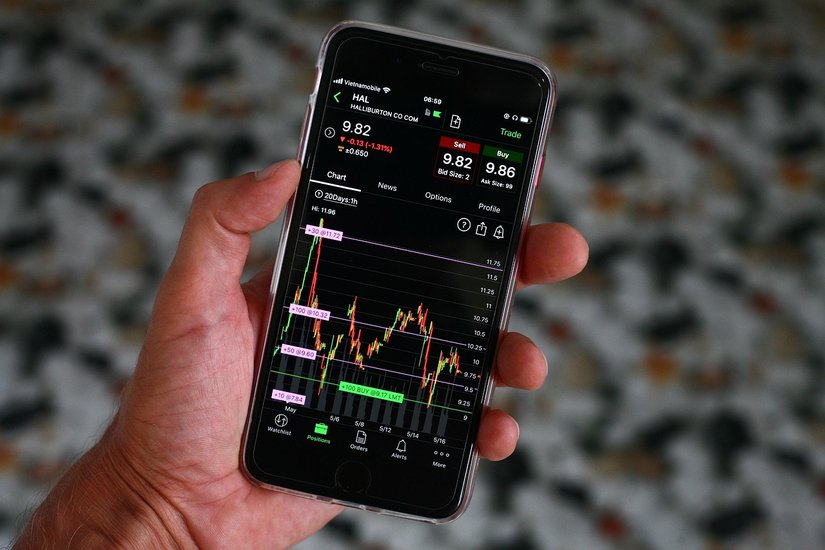
In today's world, technology has supercharged markets. E-commerce platforms give us access to millions of products from around the globe. Financial trading platforms allow instant buying and selling of stocks and currencies. Data analytics helps businesses understand what consumers want even before they realize it themselves.
This means information is more powerful than ever. With a few clicks, you can compare prices, read reviews, and understand market trends. This transparency empowers both buyers and sellers, making markets more efficient but also requiring more informed decision-making.
Why Understanding Markets is a Superpower
You might not aspire to be a stockbroker or an economist, but grasping market fundamentals is incredibly valuable. It helps you:
- As a Consumer: Make smarter purchasing decisions, find the best deals, and understand why prices fluctuate.
- As an Employee/Job Seeker: Identify in-demand skills, understand salary expectations, and position yourself effectively in the labor market.
- As an Entrepreneur/Business Owner: Spot opportunities, price your products or services competitively, and adapt to changing customer needs.
- As an Investor: Make informed decisions about where to put your money, whether it's in stocks, real estate, or other assets.
Tips for Market Engagement: Your Action Plan
- Read Widely: Follow business news, even if it seems daunting at first. Focus on the 'why'.
- Observe Locally: Notice price changes in your local stores, real estate trends in your area.
- Ask Questions: Don't be afraid to inquire about pricing, discounts, or what drives a seller's decisions.
- Analyze Your Own Spending: How do your demands affect different markets?
- Consider Your Skills: Are they in high demand? If not, what can you do to adapt?
Congratulations! You've taken a significant step in understanding the vast, interconnected world of markets. From the simplest exchange to the most complex global financial systems, the underlying principles remain the same: people interacting to satisfy their needs and wants through exchange. It's a dynamic, ever-changing landscape, but armed with this foundational knowledge, you are better equipped to navigate it, make informed decisions, and even influence its direction.
The market is not just an economic concept; it's a reflection of human behavior, innovation, and our collective efforts to build a more prosperous world. Keep exploring, keep questioning, and you'll find that the market truly is everywhere, waiting for you to engage with its incredible power.

Deja una respuesta