
The Evolving World of Finance: Navigating Complexity and Opportunity

Introduction: The Unfolding Tapestry of Global Finance
Finance, in its essence, is the science and art of managing money. Yet, this simple definition belies a field of extraordinary complexity, dynamism, and profound impact. It is the lifeblood of economies, the engine of innovation, and the bedrock of personal prosperity. From allocating capital for global enterprises to enabling individual savings and investments, finance orchestrates the flow of resources that define modern civilization. This post delves into the multifaceted realm of finance, exploring its foundational principles, historical evolution, and the transformative forces shaping its future, all while emphasizing the intricate balance between enduring wisdom and groundbreaking innovation.
Foundations: The Enduring Pillars of Financial Science
At its core, finance addresses how individuals, businesses, and governments acquire and expend monetary resources. It encompasses a broad spectrum of activities, traditionally categorized into several key pillars:
- Corporate Finance: Focuses on the financial decisions corporations make, including capital budgeting, capital structure, and working capital management, aiming to maximize shareholder wealth.
- Investment Management: Deals with the management of financial assets like stocks, bonds, and real estate, balancing risk and return to meet investment objectives for individuals and institutions.
- Personal Finance: Involves individual financial decisions and activities, including budgeting, insurance, mortgage planning, savings, and retirement planning.
- Public Finance: Pertains to the role of government in the economy, encompassing taxation, government expenditure, and debt management to achieve societal goals.
- Financial Institutions & Markets: Examines the structure and function of banks, investment firms, insurance companies, and the markets where financial assets are traded.
These pillars, though distinct, are profoundly interconnected, forming a global ecosystem where capital flows, risks are managed, and opportunities are pursued.
A Historical Perspective: From Barter to Blockchain
The journey of finance parallels the development of human civilization. Primitive forms of exchange evolved into standardized currencies, followed by the establishment of banking systems in ancient Mesopotamia and Rome. The Renaissance saw the emergence of modern banking, double-entry bookkeeping, and organized stock exchanges in Europe. The Industrial Revolution dramatically increased the demand for capital, giving rise to complex financial instruments and institutions. The 20th century witnessed unprecedented globalization, the Bretton Woods system, and the eventual dismantling of fixed exchange rates, leading to more volatile yet interconnected global markets. The latter part of the century brought the advent of computing power, digitizing transactions and accelerating market speeds.

Today, finance stands at another inflection point, driven by technological leaps that promise to redefine its very nature.
The Modern Financial Ecosystem: Interconnectedness and Innovation
The contemporary financial landscape is characterized by its unparalleled interconnectedness. Events in one corner of the globe can reverberate across markets instantly. This interconnectedness, while fostering efficiency, also amplifies systemic risks. The financial crisis of 2008 served as a stark reminder of these vulnerabilities, prompting a global recalibration of regulatory frameworks and risk management strategies.
Innovation, however, remains a constant. The rapid proliferation of financial products—from complex derivatives and structured finance vehicles to exchange-traded funds (ETFs) and alternative investments—has provided investors with an increasingly sophisticated toolkit for risk diversification and return generation. This complexity demands a higher degree of financial literacy and analytical rigor from all participants.
Disruptive Forces: Technology Reshaping Finance
The most profound shifts in finance are currently driven by technology. The rise of "Fintech" has introduced new players, business models, and service delivery mechanisms that challenge traditional institutions. Key technological drivers include:
Artificial Intelligence & Machine Learning (AI/ML): AI is revolutionizing areas such as algorithmic trading, credit risk assessment, fraud detection, personalized financial advice (robo-advisors), and predictive analytics, allowing for more precise and efficient decision-making.
Blockchain & Cryptocurrencies: Beyond Bitcoin, blockchain technology offers the promise of decentralized, transparent, and immutable ledgers. This has implications for cross-border payments, securitization, smart contracts, and the creation of entirely new asset classes (digital assets, NFTs).
Big Data Analytics: The ability to collect, process, and analyze vast datasets provides unprecedented insights into market trends, consumer behavior, and risk factors, enabling more informed strategic planning and product development.
Cloud Computing: Provides scalable infrastructure, enabling financial institutions and fintech startups to develop and deploy services more rapidly and cost-effectively.
The integration of these technologies is not merely an incremental improvement; it represents a fundamental re-architecture of financial services. The table below highlights some key contrasts:
| Aspect | Traditional Finance | Modern / Tech-Driven Finance |
|---|---|---|
| Transaction Speed | Days to weeks (e.g., wire transfers) | Seconds to minutes (e.g., real-time payments, blockchain) |
| Access & Inclusion | Branch-dependent, credit score centric | Mobile-first, alternative data for scoring, micro-financing |
| Data Analysis | Manual, historical data, limited scope | AI/ML driven, real-time, vast and predictive datasets |
| Advisory Services | Human advisor, high fees, often for wealthy clients | Robo-advisors, hybrid models, lower fees, broader accessibility |
| Security Model | Centralized databases, human oversight | Encryption, distributed ledgers, biometric authentication |
Navigating the Regulatory Labyrinth: Stability vs. Innovation
The rapid pace of financial innovation presents a formidable challenge to regulators globally. The mandate of financial regulation is to ensure stability, protect consumers and investors, and prevent illicit activities. However, overly stringent or slow-to-adapt regulations can stifle innovation, potentially driving activities into unregulated spaces. The rise of RegTech—the use of technology to enhance regulatory processes—is one response, offering solutions for compliance, risk monitoring, and reporting that are both more efficient and effective. Striking the right balance between fostering innovation and safeguarding the financial system remains a critical, ongoing endeavor.

The Imperative of Sustainable Finance and ESG
Beyond technological disruption, finance is also undergoing a profound ethical re-evaluation. The concept of sustainable finance and the integration of Environmental, Social, and Governance (ESG) criteria into investment decisions have moved from niche concerns to mainstream imperatives. Investors, conscious of climate change, social inequality, and corporate governance failures, are increasingly seeking investments that generate not only financial returns but also positive societal impact. This shift is driving capital towards green bonds, impact investing, and companies demonstrating strong ESG performance, signaling a broader understanding of long-term value creation that transcends purely financial metrics.
The Human Element: Judgment Amidst Algorithms
While technology automates tasks and augments analytical capabilities, the human element in finance remains irreplaceable. Strategic decision-making, ethical judgment, crisis management, relationship building, and the ability to navigate complex geopolitical and economic uncertainties still require uniquely human foresight and intuition. Furthermore, the increasing complexity of financial products and technological tools necessitates a highly skilled workforce capable of interpreting data, understanding algorithms, and applying critical thinking to abstract problems. Financial literacy, both for professionals and the general public, is more critical than ever.
Key Skills for the Future Financial Professional
To thrive in this evolving environment, finance professionals must cultivate a diverse skill set:
- Data Literacy and Analytical Acumen: The ability to collect, interpret, and leverage vast amounts of financial and non-financial data.
- Technological Fluency: Understanding and ideally, basic proficiency in AI, machine learning, blockchain, and cloud computing.
- Ethical Acumen and ESG Understanding: A strong moral compass and an appreciation for sustainable and responsible finance principles.
- Complex Problem-Solving: The capacity to dissect intricate financial challenges and devise innovative solutions.
- Adaptability and Continuous Learning: The financial landscape is constantly changing, demanding a commitment to lifelong learning.
- Communication and Interpersonal Skills: Translating complex financial concepts and fostering effective collaboration remain vital.
Conclusion: The Dynamic Horizon of Finance
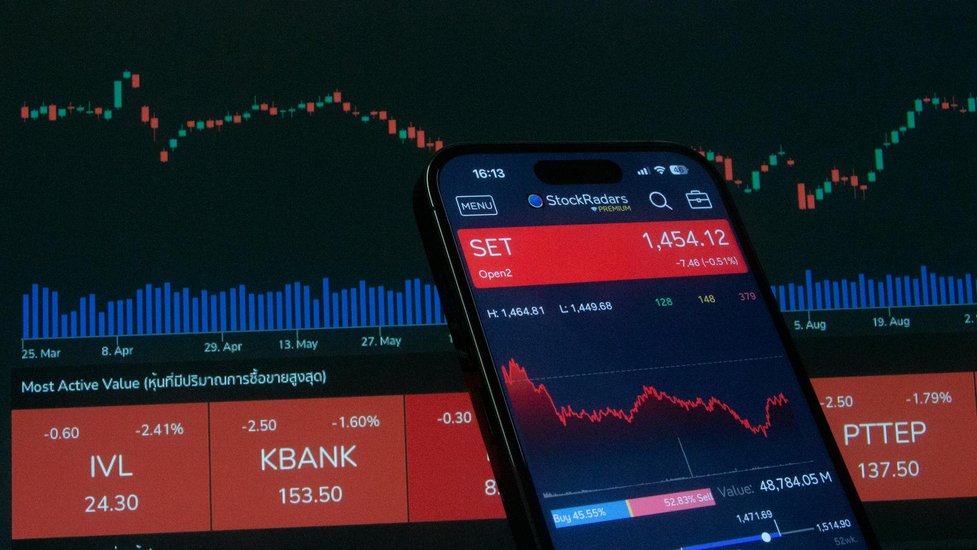
Finance, an indispensable discipline, continues its relentless evolution. It is a field defined by its dual nature: rooted in timeless principles of value and risk, yet perpetually shaped by innovation and global forces. The challenges are immense—from managing systemic risks in an interconnected world to adapting regulatory frameworks to new technologies. However, the opportunities are equally vast, promising greater efficiency, inclusion, and the potential for finance to serve as a powerful catalyst for a more sustainable and prosperous future. For those within its orbit, finance remains a challenging, rewarding, and endlessly fascinating domain, demanding vigilance, foresight, and a steadfast commitment to ethical practice.
Deja una respuesta