
Decoding "Assets": Your Beginner's Guide to Understanding True Value

Welcome, aspiring financial wizards and curious minds! I'm here to demystify one of the most fundamental yet often misunderstood concepts in the world of finance and personal wealth: Assets. Forget complex jargon and intimidating textbooks. Today, we're going to explore assets in a way that’s as simple and clear as explaining why you love your favorite cherry candy. Think of me as your expert guide, breaking down the essence of what an asset truly is, why it matters, and how it can empower you, whether you're managing your personal finances or dreaming of building a business empire.
At its heart, understanding assets is about recognizing what has value and what can help you in the future. It’s a core principle that governs everything from how much money is in your bank account to the very roof over your head. So, let’s peel back the layers and discover the simple, powerful truth about assets.
What Exactly is an Asset? The "ELI5" Version
Imagine you have a magic piggy bank. An asset is anything you put into that piggy bank that, instead of just sitting there, either grows more money for you, helps you get something else valuable, or protects something important you already have. In even simpler terms: an asset is something you own that has economic value and can provide a future benefit.
Think about it. If you own a house, it provides you shelter (a benefit!) and its value might increase over time. If you have cash in the bank, you can use it to buy things or invest. If you own a car, it gets you to work, which helps you earn money. All these things are assets because they put you in a better position, financially or practically, in the future.
The key here is "future benefit." A sandwich you just ate might have provided a benefit (satisfying your hunger!), but it's gone. It won't give you a future economic benefit. But the wheat field that produced the ingredients for that sandwich? That's an asset because it can produce more wheat, which can be sold for money, providing future economic benefit to the farmer. See the difference?
This concept is crucial because it helps us distinguish between things that are merely expenses (like that sandwich) and things that actually build wealth or provide long-term advantage (like the field).
The Many Flavors of Assets: Tangible vs. Intangible
Assets aren't all the same. They come in many forms, each with its own characteristics. The first major distinction we make is between "tangible" and "intangible" assets.
Tangible Assets: Things You Can Touch
These are the easiest to understand because they are physical. You can see them, touch them, and often measure them. They have a physical presence.
- Real Estate: Your home, land, office buildings, rental properties. These are often big assets that can appreciate in value.
- Cash and Equivalents: Money in your bank account, physical cash, short-term investments that are easily converted to cash. This is the most liquid (easily spendable) asset.
- Vehicles: Cars, trucks, boats, airplanes. They provide transportation or can be used for business.
- Equipment and Machinery: For businesses, this includes factory machines, computers, tools. For individuals, it might be valuable electronics or specialized gear.
- Inventory: For businesses, this is the goods they have on hand to sell to customers. Think of a clothing store's stock or a car dealership's cars.
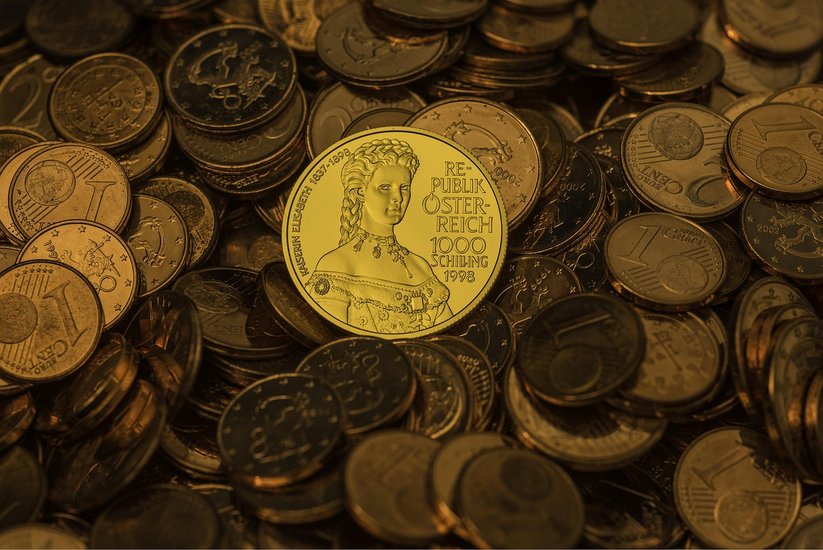
- Precious Metals: Gold, silver, platinum – often held as a store of value.
Intangible Assets: The Unseen Powerhouses
These are trickier because you can't touch them, but they can be incredibly valuable. They derive their value from legal rights, intellectual property, or inherent advantages.
- Intellectual Property (IP): This is a huge category!
- Patents: Exclusive rights to an invention. Think of a pharmaceutical company's drug formula.
- Copyrights: Exclusive rights to creative works like books, music, software code, or art.
- Trademarks: Symbols, names, or logos that identify and distinguish a brand. Think of the Nike swoosh or Apple logo.
- Brand Recognition: The value associated with a company's reputation and customer loyalty. Coca-Cola's brand is worth billions!
- Software: The code and programs that run our digital world.
- Goodwill: Often seen in business acquisitions, it represents the value of a company's reputation, customer relationships, and other non-quantifiable benefits.
- Franchise Agreements: The right to operate a business under an established brand (e.g., McDonald's franchise).
Key Takeaway: The Asset Spectrum
Whether tangible or intangible, an asset’s true power lies in its ability to generate future economic benefit. Don't underestimate the unseen! A powerful brand or a groundbreaking patent can be far more valuable than a pile of physical inventory.

How Assets Work for You (and Businesses)
Now that we know what assets are, let's explore why they're so important for individuals and businesses alike. They are the engines that drive wealth, security, and growth.
For Individuals: Building Your Personal Empire
For you, personal assets form the foundation of your financial security and future wealth. They can:
- Build Wealth: Investments like stocks, bonds, mutual funds, or real estate can grow in value over time, increasing your net worth.
- Generate Income: Rental properties provide rent, dividend stocks pay dividends, savings accounts earn interest.
- Provide Security: A paid-off home provides shelter without monthly rent. Savings provide a safety net for emergencies. Insurance policies protect other assets.
- Fund Future Goals: Assets can be liquidated (sold) to pay for education, retirement, a new business, or other significant life events.
For Businesses: The Engine of Operations and Growth
For a business, assets are absolutely critical. They are everything the company owns that helps it operate, generate revenue, and grow.
- Enable Operations: Machinery produces goods, office buildings provide workspace, computers enable administrative tasks.
- Generate Revenue: Inventory is sold, patents allow for exclusive product sales, brands attract customers.
- Secure Financing: Businesses often use their assets (like property or equipment) as collateral to get loans for expansion.
- Provide Competitive Advantage: Strong brand recognition, unique patents, or highly efficient manufacturing equipment can give a business an edge over rivals.
To help illustrate this, here's a comparison of common assets for individuals versus businesses:
| Type of Asset | Individual Example | Business Example |
|---|---|---|
| Cash | Savings account, wallet cash | Operating cash, petty cash funds |
| Real Estate | Primary home, vacation property | Office building, factory, warehouse |
| Vehicles | Personal car, motorcycle | Delivery fleet, company cars, forklifts |
| Investments | Stocks, bonds, mutual funds, retirement accounts | Shares in other companies, marketable securities |
| Intellectual Property | None commonly (unless you're an inventor/artist) | Patents, copyrights, trademarks, software licenses |
| Other | Jewelry, valuable art, collectibles | Inventory, raw materials, customer lists, brand goodwill |

The Power of Managing Your Assets Wisely
Understanding what assets are is just the first step. The real magic happens when you learn to manage them effectively. This is where you transform from merely owning things to truly building a robust financial future.
Identify & Inventory
You can't manage what you don't know you have. Take stock of all your assets, big and small. This includes everything from your bank balances and investment portfolios to your car, home, and even valuable personal items. For businesses, this means meticulous accounting and regular audits.
Understand Their Value
Assets are not static. Their value can change. Real estate can go up or down, stock prices fluctuate, and even the value of your car depreciates over time. Regularly assess the fair market value of your assets to get a clear picture of your net worth (assets minus liabilities).
Protect Them
Just like you'd protect a precious cherry pie, you need to protect your assets. This means insurance (home, auto, life, health), security systems, legal documents like wills and trusts, and smart financial planning to shield them from risks and taxes.
Optimize and Grow
Don't let your assets sit idle.
- Invest: Make your money work for you through smart investments that align with your risk tolerance and goals.
- Maintain and Improve: A well-maintained home holds its value better. Continuing to learn and develop your skills (an intangible asset!) makes you more valuable in the job market.
- Diversify: Don't put all your cherries in one basket! Spread your assets across different types and investments to reduce risk.
Expert Tip: Your Balance Sheet
Think of your personal finances like a company's balance sheet. On one side are your assets (what you own). On the other are your liabilities (what you owe, like loans and credit card debt). The difference is your net worth. The goal is always to grow your assets and reduce your liabilities!
Assets Beyond Money: Your Most Valuable Possessions
While we've focused heavily on financial and tangible assets, it's crucial to remember that some of your most powerful assets aren't found on any bank statement or property deed. These are your personal, intangible assets that empower your life and career.
- Your Skills and Knowledge: The ability to code, write, solve problems, communicate effectively, or lead a team. These skills are invaluable assets that enhance your earning potential and career mobility.
- Your Health: Good physical and mental health is an incredible asset. It enables you to work, enjoy life, and pursue your goals without hindrance.
- Your Network: The relationships you build with colleagues, mentors, friends, and family. A strong network can open doors, provide support, and offer opportunities.
- Your Time: The ultimate finite resource. How you invest your time – in learning, in relationships, in productive work – can be your greatest asset for future benefit.
- Your Reputation and Character: Trustworthiness, integrity, and a good reputation are priceless assets in both personal and professional spheres.
Never forget to invest in these personal assets. Continuous learning, maintaining healthy habits, nurturing relationships, and acting with integrity will yield returns far beyond what any stock market can offer.

Conclusion: The Road Ahead
Congratulations! You've just taken a significant step in understanding the world of assets. From the tangible house you live in to the intangible skills you possess, assets are the building blocks of personal wealth, business success, and overall well-being. They are not just things; they are instruments of future benefit, tools for security, and catalysts for growth.
My advice to you, as a beginner, is to start simple. Identify what assets you currently own. Think about how they contribute to your life. Then, begin to think strategically: How can you protect them? How can you make them grow? How can you acquire more assets – both financial and personal – that align with your goals and values?
Embrace this journey with curiosity and a strategic mindset. The more you understand and actively manage your assets, the more control you'll have over your financial destiny and the richer your life, in every sense of the word, will become. Keep learning, keep growing, and keep building your asset base, one smart decision at a time!
Summary: Your Asset Playbook
- Definition: Assets are anything you own that has economic value and provides future benefit.
- Types: They can be Tangible (physical, like property or cash) or Intangible (non-physical, like patents or brand reputation).
- Purpose: Assets build wealth, generate income, provide security, and drive growth for individuals and businesses.
- Management: Identify, value, protect, and optimize your assets for maximum benefit.
- Beyond Money: Your skills, health, network, and time are invaluable personal assets.
Start now. Your financial future will thank you!
Deja una respuesta