
Good Credit vs. Bad Credit: Navigating the Financial Divide
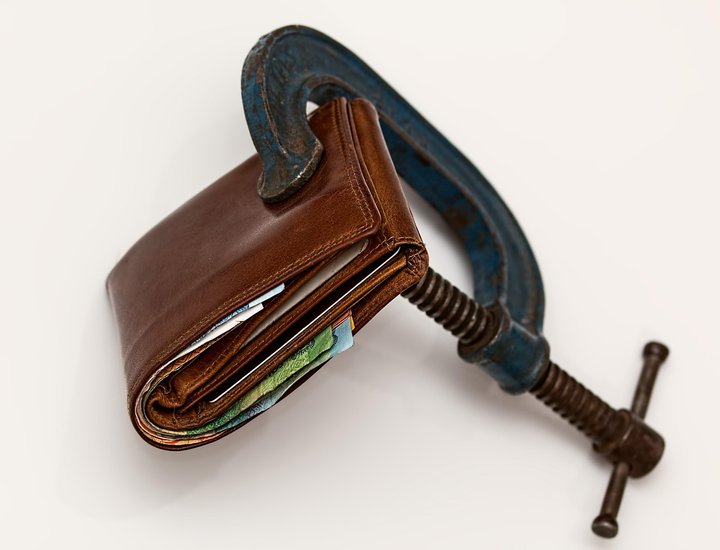
In the intricate world of personal finance, few concepts hold as much sway as 'credit'. It's a silent force that can either unlock doors to unparalleled opportunity or slam them shut with resounding finality. As a world-class expert in credit, I've witnessed firsthand how this single metric dictates not just borrowing power, but broader life prospects. Today, we delve into the fundamental dichotomy that shapes financial futures: Good Credit versus Bad Credit. This isn't merely a discussion of numbers; it's a profound exploration of diverging paths, each leading to vastly different financial landscapes.
The Foundation: Understanding Credit's Core Role
At its heart, credit is trust. It’s the confidence a lender (or any entity extending a service before payment) places in your ability and willingness to repay a debt. This trust is quantified by your credit score and reflected in your credit report. While seemingly abstract, credit underpins a significant portion of modern economic activity, from securing a mortgage to renting an apartment, and even impacting insurance premiums or employment prospects. Understanding this foundational element is the first step toward mastering your financial destiny.
Good Credit: The Path to Financial Empowerment
Possessing good credit is akin to holding a golden key. It signifies a history of responsible financial behavior, characterized by timely payments, manageable debt levels, and a sensible approach to borrowing. A strong credit score, typically ranging from the mid-700s to 850, communicates reliability and low risk to lenders. This translates into tangible, life-enhancing benefits:
- Lower Interest Rates: Whether for a mortgage, car loan, or credit card, good credit holders qualify for the most favorable interest rates, saving thousands over the life of a loan.
- Easier Approvals: Loan applications are typically approved faster and with less scrutiny, broadening your access to capital for major purchases or investments.
- More Favorable Terms: Beyond interest rates, good credit often leads to lower down payments, longer repayment periods, and access to premium credit products with better rewards.
- Improved Rental and Insurance Options: Landlords often check credit, and a good score can make securing desirable housing easier. Similarly, some insurers offer better rates to individuals with strong credit histories.
- Financial Flexibility: Good credit provides a safety net, allowing access to emergency funds or lines of credit when unexpected needs arise.
Building and maintaining good credit involves consistent, disciplined actions: paying bills on time, keeping credit utilization low (ideally below 30%), having a mix of credit types, and avoiding opening too many new accounts simultaneously. It's a marathon, not a sprint, where every responsible financial decision compounds over time.
Key Takeaways: The Power of Good Credit
- Good credit translates directly into significant financial savings and increased opportunities.
- It signifies trust and reliability to financial institutions and other service providers.
- Consistent, responsible financial habits are the bedrock of a strong credit profile.

Bad Credit: The Roadblock to Opportunities
On the other side of the spectrum lies bad credit, a financial impediment that can derail aspirations and limit choices. Bad credit typically stems from a history of missed payments, defaults, bankruptcies, high credit card balances, or frequent applications for new credit. A credit score below the mid-600s often indicates a higher risk to lenders, leading to a cascade of negative consequences:
- Exorbitant Interest Rates: Lenders compensate for perceived risk by charging significantly higher interest rates, making loans far more expensive and sometimes unaffordable.
- Loan Denials: Securing even basic loans for necessities like a car or a home becomes challenging, if not impossible.
- Limited Credit Options: Access to standard credit cards might be replaced by secured cards requiring a deposit, or predatory subprime loans with unfavorable terms.
- Higher Insurance Premiums: Many insurers view bad credit as an indicator of higher risk, potentially leading to increased premiums for auto or home insurance.
- Rental Difficulties: Landlords may reject applications, demand larger security deposits, or require co-signers, complicating housing searches.
- Employment Hurdles: In some industries, employers check credit as part of background checks, potentially impacting job opportunities, especially for positions involving financial responsibility.
The journey with bad credit is often fraught with frustration and higher costs. It can feel like a financial trap, where every attempt to improve your situation is met with resistance. However, it’s crucial to understand that bad credit is not a permanent state; it’s a reflection of past behavior that can be rectified with a strategic and disciplined approach.
The Scorecard: How Credit Scores Differentiate
Credit scores, like FICO and VantageScore, are the numerical representations of your creditworthiness. They aggregate data from your credit report into a three-digit number. While the specific algorithms are proprietary, they generally weigh factors such as payment history (most important), amounts owed, length of credit history, new credit, and credit mix. Good credit corresponds to higher scores, reflecting a low-risk profile, while bad credit aligns with lower scores, signaling a higher risk of default. This score is the universal language through which lenders assess your reliability.

A Direct Comparison: Good Credit vs. Bad Credit
To further illustrate the profound impact of your credit standing, let's look at a direct comparison across various financial aspects:
| Aspect | Good Credit (e.g., Score 700+) | Bad Credit (e.g., Score Below 620) |
|---|---|---|
| Interest Rates | Lowest available, significant savings over loan term. | Highest available, often predatory; massively increased costs. |
| Loan Approvals | Frequent approvals, fast processing for various loan types. | Frequent denials or approvals with severe restrictions. |
| Credit Card Access | Premium cards with high limits, rewards, and low APRs. | Limited to secured cards or cards with high fees/APRs. |
| Housing (Renting/Mortgage) | Easy approval, lower down payments, wider choice of properties. | Difficult to secure, higher deposits, limited options; near impossible mortgage. |
| Insurance Premiums | Potentially lower rates due to perceived lower risk. | Higher premiums, adding to monthly expenses. |
| Utilities/Services | No deposit required for most services (electricity, phone, internet). | Often requires large security deposits, increasing upfront costs. |
| Financial Stress | Generally lower, greater peace of mind and flexibility. | Significantly higher, constant struggle to manage finances. |

The Turnaround: From Bad to Good (and Staying Good)
While the implications of bad credit can be daunting, it's crucial to remember that your credit score is dynamic. It can improve with consistent effort. The path to rehabilitation often involves:
- Reviewing Your Credit Report: Identify errors and dispute them. Understand what factors are hurting your score most.
- Payment Discipline: The single most effective step is paying all bills on time, every time. Consider setting up automated payments.
- Reducing Debt: Focus on paying down high-interest debts, especially credit card balances, to lower your credit utilization ratio.
- Secured Credit Cards: These can be a stepping stone to rebuild credit if traditional cards are inaccessible.
- Credit Builder Loans: Specifically designed to help individuals establish or rebuild credit by demonstrating responsible repayment.
- Patience: Credit repair takes time. Positive changes won't appear overnight, but consistency will yield results.
Once good credit is achieved, the focus shifts to maintenance. Continue to monitor your credit reports, keep utilization low, avoid unnecessary new credit applications, and maintain a diversified, but not excessive, credit portfolio.
Tips for Credit Health: Build & Maintain
- Always pay your bills on time; payment history is paramount.
- Keep your credit utilization ratio below 30%.
- Regularly check your credit report for inaccuracies.
- Avoid opening too many new credit accounts at once.
- Maintain a healthy mix of credit types (e.g., installment and revolving).

Beyond Loans: The Broader Impact
The ramifications of good or bad credit extend far beyond just the ability to borrow money. It's a reflection of your financial reliability that can influence various aspects of daily life. For instance, obtaining favorable terms on a car lease, getting approved for a desirable apartment without a massive security deposit, or even securing certain professional licenses can all hinge on your credit standing. Some utility companies require larger deposits from individuals with poor credit, adding an extra financial burden. In today's interconnected financial landscape, your credit profile acts as a universal financial passport, dictating the ease and cost of accessing essential services and opportunities.
In essence, good credit empowers you with choice and affordability, while bad credit restricts options and extracts a premium. It’s a dynamic that underscores the critical importance of proactive financial management.
Conclusion: Wielding the Power of Credit Wisely
The comparison between good credit and bad credit isn't merely academic; it's a stark portrayal of two distinct financial realities. Good credit is an accelerator, propelling you towards financial goals with ease and efficiency. Bad credit is a brake, slowing your progress, increasing costs, and narrowing your horizons. Understanding this fundamental divide is the first step towards taking control.
As a credit expert, my strongest advice is to view credit not as a mystery, but as a tool. Like any powerful tool, its utility and impact depend entirely on how you wield it. By embracing responsible borrowing habits, diligently managing payments, and understanding the levers that influence your credit score, you can consciously choose the path of financial empowerment. Your credit profile is a living document of your financial history and potential; make sure it tells a story of reliability, responsibility, and opportunity.
Summary: The Credit Crossroads
Good credit opens doors to lower interest rates, easier approvals, and broader financial opportunities, saving you money and reducing stress. Bad credit, conversely, creates significant financial barriers, leading to higher costs, limited access to essential services, and increased anxiety. Your credit score, a reflection of your payment behavior and debt management, is dynamic and can be improved with consistent effort. Strategic financial habits are paramount to navigating this divide successfully and securing a more prosperous financial future.
Deja una respuesta