
Mastering Modern Markets: Advanced Investment Strategies for Enduring Wealth Creation
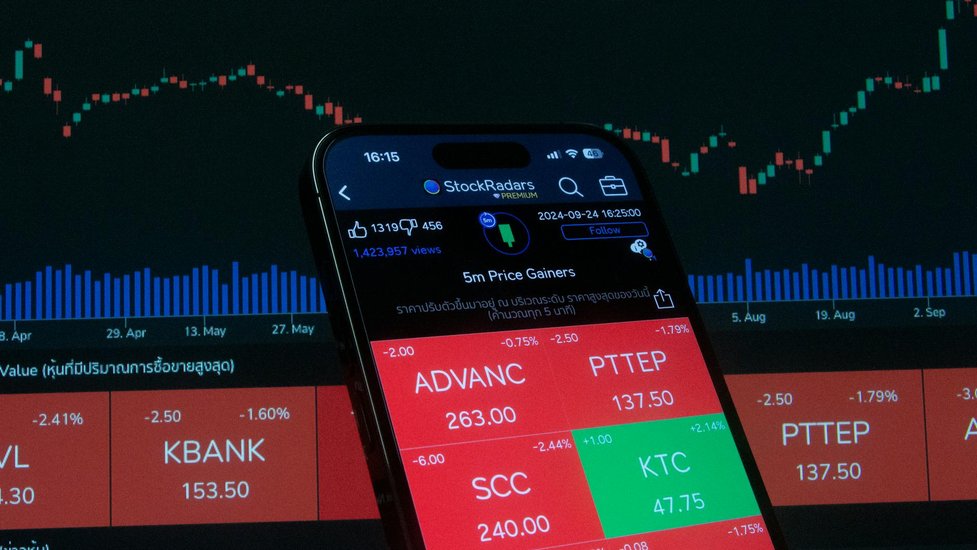
The contemporary investment landscape is characterized by unprecedented dynamism, demanding a sophisticated and adaptive approach to wealth creation and preservation. Traditional paradigms are continuously challenged by rapid technological advancements, evolving geopolitical landscapes, and fluctuating macroeconomic indicators. For the discerning investor, navigating these complex currents requires a profound understanding of market mechanics, a disciplined application of strategic principles, and a commitment to continuous learning. This analysis delves into advanced investment methodologies and critical considerations essential for forging enduring wealth in an era defined by constant flux.
The Shifting Paradigms of Global Markets
Global financial markets are in a perpetual state of evolution, influenced by a confluence of interconnected forces. Investors who fail to recognize and adapt to these fundamental shifts risk suboptimal performance and capital erosion. A comprehensive understanding of these underlying drivers is paramount for constructing resilient portfolios.
Macroeconomic Headwinds and Tailwinds
Inflationary pressures, interest rate trajectories, and central bank policies remain pivotal in shaping asset valuations and investor sentiment. The sustained period of low interest rates globally fostered significant asset price appreciation, but the recent shift towards monetary tightening introduces new challenges, particularly for fixed-income assets and growth stocks. Geopolitical tensions, trade disputes, and supply chain disruptions further exacerbate market volatility, necessitating a granular analysis of country-specific and sector-specific risks. Conversely, robust economic growth in emerging markets, commodity price stability, and fiscal stimulus packages can present powerful tailwinds, opening avenues for strategic long-term investments.
Technological Disruption and Innovation
Technological innovation acts as a relentless force, reshaping industries and creating entirely new investment frontiers. Artificial intelligence, quantum computing, biotechnology, and renewable energy are not merely buzzwords; they represent transformative megatrends driving economic growth and societal change. Identifying companies at the vanguard of these advancements, those capable of disrupting established markets or creating entirely new ones, is a cornerstone of modern growth investing. However, the rapid pace of innovation also introduces obsolescence risks, demanding rigorous due diligence and a forward-looking perspective.

Foundational Principles of Strategic Asset Allocation
Beyond simply picking individual stocks or bonds, strategic asset allocation forms the bedrock of a robust investment framework. It involves the thoughtful distribution of capital across various asset classes to optimize risk-adjusted returns over the long term, aligning with the investor's specific goals and risk tolerance.
Beyond Traditional Diversification
While traditional diversification across equities, fixed income, and cash remains fundamental, modern portfolios increasingly integrate alternative assets to enhance risk mitigation and return potential. Private equity, venture capital, hedge funds, real estate, and commodities offer diversification benefits due to their lower correlation with public markets. These assets often demand higher liquidity premiums and a longer investment horizon but can provide significant uncorrelated returns, particularly during periods of public market volatility. Furthermore, global diversification across geographies and currencies is crucial to mitigate country-specific economic and political risks.
Risk-Adjusted Returns and Portfolio Optimization
The objective of asset allocation extends beyond maximizing returns; it is fundamentally about maximizing risk-adjusted returns. Metrics such as the Sharpe Ratio, Sortino Ratio, and Alpha are critical for evaluating the efficiency of an investment or portfolio. Modern Portfolio Theory (MPT), while having limitations, continues to provide a framework for constructing portfolios that optimize expected returns for a given level of risk. Investors must consider not just the individual risk of each asset but also their covariance within the portfolio to truly understand overall portfolio risk. This iterative process involves re-evaluating risk tolerance, market conditions, and investment objectives periodically.
A hypothetical strategic asset allocation for a growth-oriented, long-term investor might look like this:
| Asset Class | Target Allocation (%) | Key Rationale |
|---|---|---|
| Global Equities (Developed Markets) | 35% | Long-term growth, diversification across stable economies. |
| Global Equities (Emerging Markets) | 15% | Higher growth potential, demographic dividends. |
| Fixed Income (Investment Grade) | 15% | Capital preservation, income, portfolio ballast. |
| Alternative Investments (Private Equity, Real Estate) | 20% | Uncorrelated returns, access to illiquid growth opportunities. |
| Commodities (Diversified) | 5% | Inflation hedge, uncorrelated asset class. |
| Cash & Equivalents | 10% | Liquidity, opportunistic rebalancing. |
Advanced Investment Methodologies for Competitive Advantage
Beyond conventional buy-and-hold strategies, sophisticated investors employ advanced methodologies to gain a competitive edge and navigate complex market dynamics.
Quantitative Strategies and Algorithmic Trading
Quantitative investing leverages mathematical models, statistical analysis, and computational power to identify investment opportunities and execute trades. These strategies often exploit market inefficiencies, behavioral biases, or systematic risk premia. From factor investing (e.g., value, momentum, quality, low volatility) to high-frequency trading, quantitative approaches aim to remove human emotion from decision-making, relying instead on empirical data and backtested hypotheses. While requiring significant technological infrastructure and expertise, quants can offer systematic and scalable alpha generation.
Thematic Investing and Megatrends
Thematic investing involves identifying powerful, long-term secular trends that are expected to drive significant economic and societal change, then investing in a basket of companies positioned to benefit from these trends. Examples include the future of mobility, digital transformation, sustainable energy transition, cybersecurity, and the aging global population. This approach offers a top-down perspective, allowing investors to capitalize on macroscopic shifts rather than focusing solely on individual company fundamentals. It demands foresight and rigorous research to distinguish genuine megatrends from fleeting fads.

Navigating Volatility: Risk Management and Preservation of Capital
While the pursuit of returns is central, effective risk management is equally, if not more, critical for long-term wealth preservation. Volatility is an inherent characteristic of financial markets, and a robust framework is essential to mitigate its adverse effects.
Hedging Techniques and Derivatives
Sophisticated investors often employ derivatives, such as options and futures, to hedge against specific market risks. Options can be used to protect against downside risk in an equity portfolio (e.g., buying put options) or to generate income (e.g., selling covered calls). Futures contracts allow investors to lock in prices for commodities, currencies, or interest rates, mitigating exposure to future price fluctuations. However, derivatives are complex instruments that carry significant risks and require a deep understanding of their mechanics and potential leverage.
Behavioral Finance in Decision-Making
Human psychology frequently undermines rational investment decisions. Behavioral biases, such as loss aversion, overconfidence, herd mentality, and anchoring, can lead to suboptimal choices, particularly during periods of market stress. Recognizing and actively counteracting these cognitive traps is a critical aspect of advanced risk management. A disciplined investment process, adherence to pre-defined rules, and emotional detachment are vital to avoid impulsive and potentially damaging actions.
Key risk management principles include:
- **Diversification:** Spreading investments across various asset classes, geographies, and sectors to reduce concentration risk.
- **Position Sizing:** Limiting the capital allocated to any single investment to prevent outsized losses if that investment performs poorly.
- **Stop-Loss Orders:** Predetermined price points at which an asset is sold to limit potential losses.
- **Scenario Planning:** Evaluating portfolio performance under various hypothetical market conditions (e.g., recession, inflation surge).
- **Liquidity Management:** Maintaining sufficient cash reserves or easily convertible assets to meet obligations and seize opportunities.
- **Stress Testing:** Assessing the impact of extreme but plausible market events on the portfolio's value.

The Imperative of Continuous Learning and Adaptation
The financial world is not static; what worked yesterday may not work tomorrow. Therefore, a commitment to ongoing education and flexibility in strategy is indispensable for sustained investment success.
Monitoring Global Indicators and Market Signals
Staying abreast of global economic data, corporate earnings reports, geopolitical developments, and technological breakthroughs is not a passive activity but an active responsibility. Access to high-quality financial intelligence and a systematic approach to processing information are crucial for identifying emerging trends and potential risks. This vigilance enables timely adjustments to portfolio allocations and strategic positioning.
Rebalancing and Strategic Adjustments
Over time, market movements can cause a portfolio's actual asset allocation to drift significantly from its target. Regular rebalancing, either time-based or threshold-based, ensures that the portfolio maintains its intended risk profile. Furthermore, significant shifts in an investor's life circumstances, financial goals, or the macroeconomic environment may necessitate more fundamental strategic adjustments to the investment plan. This dynamic process of review and refinement is critical to align the portfolio with current realities and future aspirations.

Mastering modern markets is an ongoing journey that transcends simple stock picking. It demands a holistic approach encompassing deep market understanding, disciplined strategic asset allocation, sophisticated risk management, and an unwavering commitment to continuous adaptation. For the expert investor, the confluence of these elements forms the robust framework necessary to navigate complexity, capitalize on evolving opportunities, and ultimately achieve enduring wealth creation in the 21st century.
Deja una respuesta