
Navigating the Next Era: Institutional Capital and Regulatory Frameworks Shaping Crypto's Future

The cryptocurrency landscape, once a fringe digital frontier, has rapidly matured into a formidable domain commanding serious attention from global financial institutions and policymakers alike. What began as a decentralized experiment in digital cash has evolved into a complex ecosystem encompassing digital assets, decentralized finance (DeFi), and blockchain infrastructure, poised to redefine the architecture of global finance. This transformation is not merely organic; it is being propelled by two powerful, interconnected forces: the increasing influx of institutional capital and the urgent, though often fragmented, global pursuit of regulatory clarity.
The Inexorable March of Institutional Adoption
For years, cryptocurrency was largely the purview of retail investors and early adopters. However, a significant paradigm shift has occurred, with major financial institutions recognizing the potential for disruptive innovation and new avenues for value creation within the digital asset space. This institutional embrace is multifaceted, extending beyond mere speculation to strategic integration.
Diversification and Digital Gold Narratives
Initially, institutional interest predominantly centered on Bitcoin, often framed as "digital gold" or a hedge against inflation and geopolitical instability. Its limited supply and decentralized nature appealed to fund managers seeking non-correlated assets to enhance portfolio diversification. Early adopters included macro hedge funds and forward-thinking asset managers who allocated a small percentage of their portfolios to Bitcoin, legitimizing its role as a viable, albeit volatile, store of value.
Expanding Horizons Beyond Bitcoin
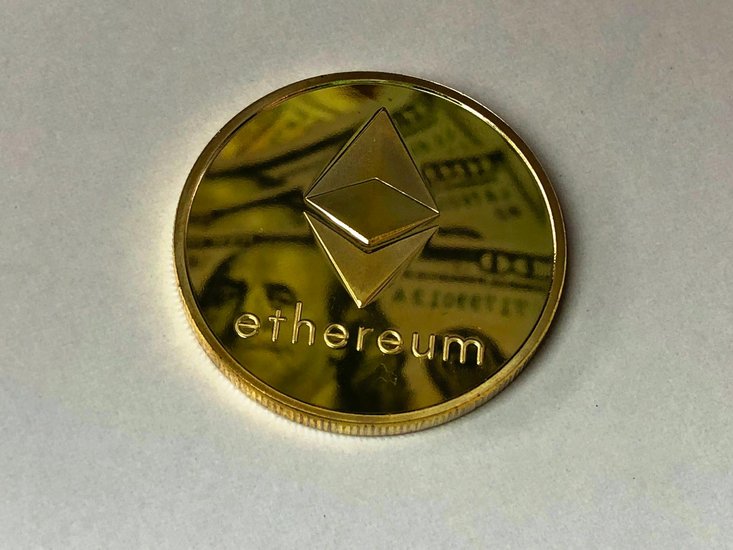
The narrative has since broadened dramatically. Institutions are now exploring Ethereum for its smart contract capabilities and the burgeoning DeFi ecosystem, viewing it as a foundational layer for future financial applications. Beyond these foundational assets, interest is extending into tokenized real-world assets (RWAs), where tangible assets like real estate, commodities, and private equity are represented on a blockchain. This innovation promises enhanced liquidity, fractional ownership, and transparent settlement, bridging the gap between traditional finance and the blockchain-native world.

The Regulatory Imperative: A Double-Edged Sword
As institutional participation grows, so does the demand for regulatory certainty. Governments and financial watchdogs globally are grappling with how to classify, supervise, and integrate digital assets into existing legal frameworks without stifling innovation. This regulatory imperative is a critical determinant of crypto’s long-term integration.
Global Scrutiny and Varied Approaches
The global regulatory landscape remains a patchwork of disparate approaches, creating both opportunities and significant challenges. Jurisdictions like the European Union have progressed with comprehensive frameworks such as the Markets in Crypto-Assets (MiCA) regulation, aiming for clarity and consumer protection across member states. In contrast, the United States has seen a more fragmented approach, with multiple agencies like the SEC and CFTC asserting jurisdiction, leading to ongoing legal disputes and a lack of unified guidance. Asian financial hubs like Singapore and Hong Kong have adopted more progressive, risk-based frameworks, focusing on licensing and anti-money laundering (AML) protocols to attract responsible innovation.
Mitigating Risks and Fostering Innovation
The core objective of regulation is to mitigate systemic risks, protect investors from fraud and manipulation, and prevent illicit finance activities. However, overly prescriptive or ill-conceived regulations risk stifling the very innovation they seek to govern. Striking this delicate balance is paramount. Effective regulation should provide clear guardrails for market participants, foster trust, and enable the secure evolution of blockchain technology and digital assets within the broader financial system.
| Jurisdiction | Regulatory Stance | Key Focus Areas | Impact on Innovation |
|---|---|---|---|
| European Union | Comprehensive (MiCA) | Consumer protection, market integrity, stablecoins, DLT pilots | Provides clarity and harmonization, but complex compliance for smaller entities |
| United States | Fragmented/Uncertain | Securities laws (SEC), commodities (CFTC), banking (OCC) | Significant legal disputes, creates uncertainty and hinders business growth |
| Singapore | Progressive/Risk-based | Licensing for payment services, DLT, digital assets, strict AML/CFT | Attracts responsible innovation with clear framework, fosters trust |
| United Kingdom | Developing/Consultative | Financial promotions, stablecoins, sandbox approaches | Aims to balance innovation with financial stability, evolving framework |

Technological Advancement and Market Maturation
Beyond institutional and regulatory shifts, the underlying technology continues to evolve at an unprecedented pace, addressing critical barriers to widespread adoption and integration. These advancements are instrumental in building a robust foundation for future financial infrastructure.
Scalability and Interoperability Solutions
Early blockchain networks faced significant challenges regarding scalability and transaction throughput. However, advancements such as Layer 2 scaling solutions (e.g., rollups), sharding, and alternative consensus mechanisms are dramatically enhancing network capacity and reducing transaction costs. Concurrently, efforts in interoperability through cross-chain bridges and standardized protocols are enabling seamless communication and asset transfer between disparate blockchain networks, fostering a more interconnected digital economy. These technical improvements are crucial for handling the transaction volumes required by institutional participants.
The Rise of Tokenized Real-World Assets
The tokenization of real-world assets represents a pivotal convergence point between traditional finance and blockchain. By issuing digital tokens on a blockchain that represent ownership or a fractional stake in a physical or financial asset, previously illiquid markets can gain new levels of liquidity and accessibility. This extends to vast markets like private credit, real estate, carbon credits, and fine art. The transparency, immutability, and programmability offered by blockchain technology make RWAs a compelling prospect for institutions seeking to leverage digital infrastructure for enhanced efficiency and new investment products.
Challenges and Future Outlook
Despite significant progress, the path to full mainstream integration is not without its challenges. Persistent hurdles include market volatility, cybersecurity risks, the environmental impact of certain proof-of-work protocols, and the ongoing struggle to overcome public perception issues often associated with early crypto speculation.
Persistent Hurdles
The inherent volatility of many cryptocurrencies remains a concern for risk-averse institutions and for their suitability as day-to-day transaction mediums. Cybersecurity threats, ranging from smart contract vulnerabilities to exchange hacks, underscore the need for continuous security innovations and robust risk management frameworks. Furthermore, the energy consumption of large-scale proof-of-work blockchains like Bitcoin continues to draw criticism, prompting a push towards more sustainable consensus mechanisms and renewable energy adoption within the industry.
For cryptocurrency to truly embed itself within the global financial fabric, several critical factors must coalesce:
- Regulatory clarity and international harmonization to provide a stable operating environment.
- Enhanced security protocols and user-friendly interfaces to broaden appeal and reduce entry barriers.
- Proven real-world utility beyond speculative trading, demonstrating tangible benefits for businesses and consumers.
- Robust infrastructure for institutional-grade custody, trading, and settlement services.
- Continued innovation in sustainable and energy-efficient blockchain protocols.

The convergence of institutional capital and evolving regulatory frameworks marks a definitive inflection point for the cryptocurrency sector. It signals a transition from an experimental phase to one of deliberate integration and mainstream adoption. While challenges persist, the trajectory is clear: digital assets are becoming an indispensable component of the future financial landscape. The coming years will be characterized by continued innovation, the refinement of regulatory approaches, and the progressive assimilation of blockchain technology and digital assets into the foundational layers of global finance, promising a more efficient, transparent, and inclusive economic future.
Deja una respuesta