
The Golden Thread: Unraveling the Invisible Hand of the Market
I remember it vividly: a sweltering summer morning in Marrakech’s Djemaa el-Fna square. The air thrummed with a thousand stories – the hypnotic chant of snake charmers, the aromatic whispers of spice vendors, the fervent haggling over leather goods and intricate lamps. Each stall, each interaction, was a micro-economy, a tiny universe governed by an unspoken language of value, desire, and availability. I watched a tourist hesitantly offer a price for a silver bracelet, the vendor countering with practiced ease. Eventually, a deal was struck, a smile exchanged, and another thread woven into the vast, intricate tapestry of trade. It wasn't just a transaction; it was a testament to a force far older and more profound than any single currency or government: the market.
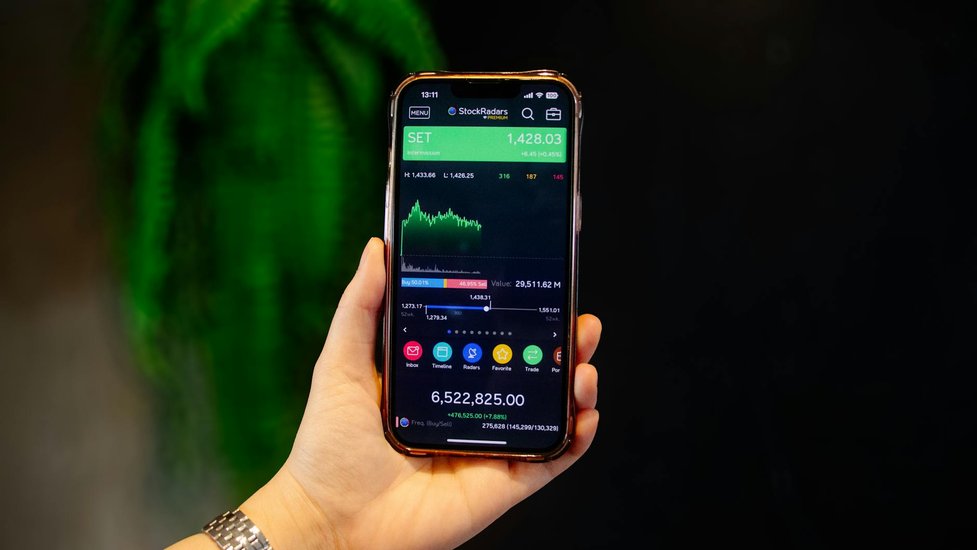
That ancient marketplace, bustling with human interaction, is a microcosm of the global system we often refer to simply as "the Market." It’s a term we hear daily – "the stock market is up," "the housing market is cooling," "the labor market is tight." Yet, for something so omnipresent, its true nature, its underlying mechanisms, and its profound impact on our lives often remain a mystery, an invisible hand guiding our collective destiny. As a world-class expert, my goal today is to pull back the curtain, to demystify this colossal entity, and to reveal the golden threads that connect every sale, every service, every innovation to the pulse of human progress.
What is "The Market" Anyway? Beyond the Stall
At its core, "the Market" isn't merely a physical location or a specific institution. It is a sophisticated, dynamic mechanism where buyers and sellers interact to exchange goods, services, or assets. Think of it as an intricate dance between three fundamental forces: supply, demand, and price. Supply represents what producers are willing and able to offer; demand reflects what consumers are willing and able to purchase. The beautiful equilibrium, or sometimes disequilibrium, between these two dictates the price – the value at which an exchange is mutually agreed upon.
This interplay, often decentralized and emergent, is how societies allocate scarce resources. Where there is high demand and low supply, prices rise, incentivizing producers to create more. Conversely, abundant supply with limited demand drives prices down, signaling to producers to perhaps shift focus. This elegant, albeit sometimes volatile, feedback loop ensures that resources are directed to where they are most needed and valued, driving innovation and efficiency.
The Evolution of Markets: From Barter to Blockchain
The concept of exchange is as old as civilization itself. Early markets were simply places of barter, where goods were swapped directly. The invention of currency revolutionized this, making transactions more efficient and expanding the reach of trade. Over centuries, these humble beginnings blossomed into complex systems: medieval fairs, commodity exchanges for agricultural products, and later, stock exchanges facilitating investment in burgeoning industries.
The 20th and 21st centuries have witnessed an accelerated evolution. E-commerce platforms transformed local markets into global bazaars accessible from anywhere. Financial markets became interconnected networks, reacting in milliseconds to events across continents. Today, we stand on the cusp of even greater transformation with digital assets, blockchain technologies, and AI-driven trading platforms creating entirely new market paradigms. The market is not static; it is a living, breathing entity, constantly adapting and innovating.

The Invisible Hand: How Markets Self-Regulate (and Sometimes Don't)
Adam Smith, the father of modern economics, famously coined the term "the invisible hand" to describe how individuals, pursuing their self-interest within a free market, inadvertently contribute to the greater good of society. When producers strive to create better products at lower costs to attract customers, they don't just benefit themselves; they raise the overall standard of living. When investors seek the highest returns, they direct capital to the most promising innovations.
However, the invisible hand is not infallible. Markets can be inefficient, prone to bubbles and crashes, especially when information is imperfect, or when monopolies stifle competition. Externalities – costs or benefits incurred by a third party not involved in the transaction, like pollution from a factory – also pose challenges. This is where the delicate balance between market freedom and thoughtful regulation becomes crucial, aiming to correct failures without stifling innovation.
Types of Markets: A Spectrum of Exchange
The term "market" encompasses a vast array of specialized arenas for exchange:
- Financial Markets: Where assets like stocks, bonds, currencies (forex), and derivatives are traded. These markets facilitate capital formation and investment, playing a crucial role in economic growth.
- Commodity Markets: Deal in raw materials and primary agricultural products such as oil, gold, wheat, and coffee. Prices here are highly sensitive to global supply and demand dynamics, often influenced by geopolitical events and weather patterns.
- Labor Markets: The nexus where employers seek employees, and individuals offer their skills and time in exchange for wages. It's influenced by education, demographics, technology, and economic cycles.
- Consumer Markets (B2C): Where businesses sell products and services directly to individual consumers. This is the market most people interact with daily – retail, food, entertainment, etc.
- Business-to-Business (B2B) Markets: Involve transactions between companies, such as manufacturers selling components to other manufacturers, or software providers selling solutions to enterprises.
- Digital Markets: A rapidly expanding domain encompassing everything from app stores and online content platforms to data exchanges and the burgeoning metaverse economies.
Key Takeaways on Market Types:
- Markets are diverse, each with unique participants, rules, and drivers.
- Understanding the specific market context is crucial for effective decision-making.
- Interconnections between different market types are increasingly complex (e.g., commodity prices affecting consumer goods).
Navigating Market Dynamics: For Businesses and Individuals
For businesses, understanding market dynamics is paramount. It means meticulously researching customer needs, analyzing the competitive landscape, perfecting pricing strategies, and fostering relentless innovation. Those who fail to adapt to shifts in demand, emergence of new technologies, or changes in consumer preferences risk obsolescence. Successful companies don't just participate in markets; they often shape them.
For individuals, market savvy is equally vital. Whether you're deciding on a career path (labor market), investing your savings (financial market), or simply making purchasing decisions (consumer market), a basic understanding of market forces empowers you. It allows for more informed choices, better financial planning, and a clearer perspective on economic trends that directly impact your well-being.
The Role of Regulation and Ethics in Markets
While free markets are powerful engines of prosperity, they are not entirely self-sufficient. Governments and regulatory bodies play a critical role in setting the rules of engagement: preventing monopolies, ensuring fair competition, protecting consumers from fraud, maintaining financial stability, and addressing societal concerns like environmental protection. This intervention aims to create a level playing field and mitigate market failures.
Beyond regulation, ethical considerations are increasingly prominent. Businesses are under pressure to demonstrate social responsibility, fair labor practices, environmental stewardship, and transparent governance. Consumers often vote with their wallets, supporting companies that align with their values. Ethical market conduct is not just about compliance; it's about building long-term trust and sustainable value.

Challenges and Opportunities in Modern Markets
Today's markets face unprecedented challenges: accelerating globalization means shocks in one region ripple across the world; rapid technological disruption (AI, quantum computing) is reshaping industries at breakneck speed; and issues like climate change and geopolitical instability introduce new layers of risk and complexity. Yet, these challenges also birth immense opportunities. Emerging markets offer new growth frontiers, digital transformation is unlocking unparalleled efficiencies, and the growing demand for sustainable and impact-driven solutions is creating entirely new market segments.
Here’s a snapshot comparing traditional versus modern market characteristics:
| Feature | Traditional Market | Modern Market |
|---|---|---|
| Scope | Local or Regional | Global, Interconnected |
| Key Driver | Scarcity, Basic Needs | Innovation, Information, Experience |
| Information Flow | Limited, Asymmetrical | Rapid, Ubiquitous, Data-driven |
| Regulation | Minimal or Government-controlled | Complex, Multi-layered, Adaptive |
| Primary Challenges | Logistics, Local Competition | Volatility, Disruption, Geopolitics, Cybersecurity |
Becoming a Market-Savvy Player
In a world increasingly shaped by market forces, becoming a "market-savvy" individual or organization is no longer optional; it's essential for survival and prosperity. This means cultivating continuous learning, fostering critical thinking, and embracing adaptability. It requires understanding not just *what* is happening in markets, but *why*, recognizing the underlying drivers, and anticipating potential shifts. Paying attention to economic indicators, geopolitical developments, technological breakthroughs, and consumer sentiment allows one to interpret market signals more effectively.

Tips for Engaging with Markets:
- Educate Yourself: Continuously learn about economics, finance, and industry trends.
- Diversify: Spread investments and skills to mitigate risks across different market segments.
- Seek Information: Stay informed through credible news sources and data analytics.
- Understand Risk: Every market interaction carries risk; assess it carefully.
- Think Long-Term: Avoid short-term emotional reactions; focus on fundamental value and trends.
- Be Adaptable: Markets change; be willing to adjust strategies and embrace new paradigms.
Conclusion: The Ever-Unfolding Tapestry
From the bustling souks of ancient cities to the high-frequency trading floors of global finance, the market remains a testament to human ingenuity, ambition, and our innate drive to exchange and create value. It is not merely an economic concept but a powerful, pervasive force that shapes societies, fuels innovation, and dictates the rhythm of progress. Like the golden thread weaving through history, it connects us all, defining our opportunities and challenges.
Understanding the market – its intricacies, its history, its challenges, and its boundless opportunities – is key to navigating the complexities of our modern world. It is a journey of continuous learning, critical observation, and strategic adaptation. By recognizing the invisible hand, its strengths, and its limitations, we can better participate in this grand exchange, contributing to a more prosperous and equitable future for all.

Deja una respuesta