
The Unseen Architect: How Credit Builds (or Breaks) Your Financial Future
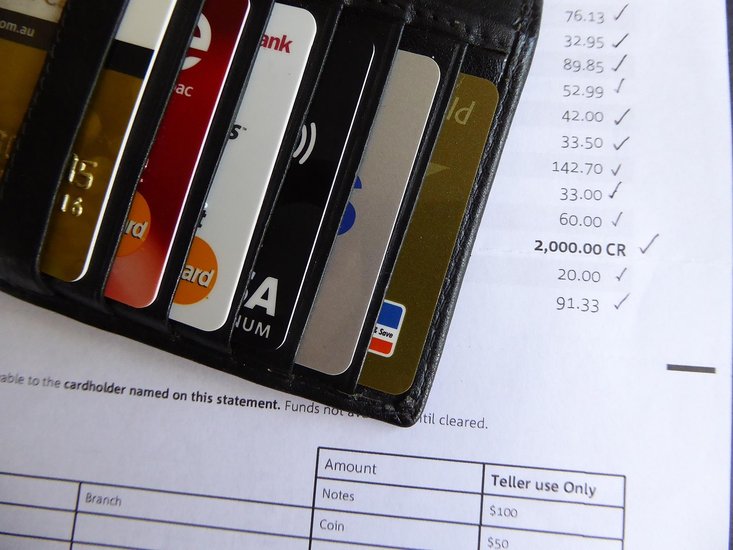
My client, Michael, a brilliant software engineer, once sat across from me, a mixture of frustration and bewilderment etched on his face. He'd just been denied a mortgage for his dream home, despite earning a six-figure salary and having a substantial down payment. "I don't get it," he'd said, "I pay everything on time. I don't carry debt. Isn't that good?" Michael's story is not unique. It highlights a common misconception: simply avoiding debt isn't the whole picture when it comes to credit. In the intricate dance of modern finance, credit is the unseen architect, meticulously laying the foundation for your financial future – or, if misunderstood, inadvertently chipping away at it.
As a world-class expert in credit, I've spent decades deciphering this complex system, helping individuals and institutions navigate its currents. My mission today is to demystify credit, transforming it from a source of anxiety into a powerful tool you can wield with confidence and strategy.
Understanding the Essence of Credit: More Than Just a Loan
At its core, credit is trust. It's a lender's belief in your ability and willingness to repay borrowed money. This trust isn't built on good intentions alone; it's meticulously constructed from your past financial behavior. Every time you use a credit card, take out a car loan, or pay your student debt, you're writing a chapter in your financial autobiography. Lenders, landlords, and even some employers read this book, using it to assess your reliability.
Think of credit as your financial reputation. A stellar reputation opens doors to lower interest rates, better insurance premiums, easier rental applications, and quicker approvals for significant purchases like homes and cars. Conversely, a tarnished reputation can lead to higher costs, limited opportunities, and significant stress.

The Heartbeat of Your Financial Health: The Credit Score
If credit is your financial reputation, then your credit score is its numerical representation – the beating heart of your financial health. Most commonly, we refer to FICO scores or VantageScore models, which distill your entire credit history into a three-digit number, typically ranging from 300 to 850. A higher score signifies lower risk to lenders.
Michael, my client, learned that while he avoided debt, he also avoided building credit. He had no established credit accounts, which meant no payment history to report. In the eyes of a lender, "no history" can sometimes be as problematic as "bad history," as it provides no data points to assess risk.
Key Factors Influencing Your Credit Score:
- Payment History (35%): Your track record of paying bills on time. This is the single most important factor.
- Amounts Owed (30%): How much credit you're using versus how much you have available (credit utilization). Keeping this below 30% is generally recommended.
- Length of Credit History (15%): The older your accounts, the better. Demonstrates sustained responsible behavior.
- New Credit (10%): Opening too many new accounts in a short period can signal risk.
- Credit Mix (10%): A healthy blend of revolving credit (credit cards) and installment credit (loans) can be beneficial.

Building and Maintaining Your Credit Foundation
Building strong credit isn't about accumulating debt; it's about demonstrating responsible debt management. Here’s how Michael, and you, can strategically build and maintain a robust credit foundation:
1. Start Small and Smart:
- Secured Credit Cards: If you have no credit history, a secured card is an excellent starting point. You put down a deposit, which becomes your credit limit, and the bank reports your payments to credit bureaus.
- Authorized User: Ask a trusted family member with excellent credit to add you as an authorized user on one of their credit cards. Their positive payment history can reflect on your report.
- Credit Builder Loans: Offered by some credit unions and community banks, these loans are designed specifically to help you build credit. The loan amount is held in a savings account while you make payments, which are reported to bureaus.
2. Master On-Time Payments:
This cannot be stressed enough. Set up automatic payments, use calendar reminders, or consolidate bill due dates. A single late payment can significantly ding your score.
3. Keep Credit Utilization Low:
Aim to use less than 30% of your available credit. If you have a credit card with a $10,000 limit, try to keep your balance below $3,000. Even better, pay your statement balance in full each month to avoid interest and maintain low utilization.
4. Be Mindful of New Credit:
Only apply for credit when you genuinely need it. Each "hard inquiry" can temporarily lower your score. Spreading out applications over time is wise.
5. Diversify Your Credit Mix (Over Time):
Once you've established a solid history with revolving credit (cards), consider an installment loan (like a small personal loan or car loan) if it fits your financial needs. This demonstrates your ability to manage different types of credit.
Pro-Tip: The Power of Patience
Building excellent credit is a marathon, not a sprint. Consistency and patience are your greatest allies. It takes time for positive habits to significantly impact your score and build a long, robust credit history.

The Anatomy of Your Financial Fingerprint: The Credit Report
While your credit score is the summary, your credit report is the detailed dossier, compiled by the three major credit bureaus (Experian, Equifax, and TransUnion). It lists all your credit accounts, payment history, public records (like bankruptcies), and inquiries. This is where Michael could see why his 'no credit' was an issue.
Regularly reviewing your credit report is paramount for accuracy and fraud prevention. You are entitled to a free report from each bureau annually at AnnualCreditReport.com.
| Section | Description | Why it Matters |
|---|---|---|
| Personal Information | Name, address, Social Security Number, date of birth, employment. | Ensures the report belongs to you and prevents identity mix-ups. |
| Account History | Details on all credit accounts (loans, credit cards), limits, balances, and payment status for up to 7-10 years. | Forms the bulk of your credit score calculation; shows payment behavior and debt load. |
| Public Records | Bankruptcies, foreclosures, or tax liens. (Note: Judgments and paid tax liens are less common post-2018). | Indicates severe financial distress; significantly impacts creditworthiness. |
| Hard Inquiries | Records of lenders checking your credit when you apply for new credit. | Too many in a short period can suggest high risk and slightly lower your score. |
| Soft Inquiries | Your own credit checks, pre-approvals, or employer checks (with permission). | Do NOT affect your credit score; good for monitoring. |
When Credit Becomes a Strategic Asset
Beyond simply getting approved, excellent credit becomes a powerful strategic asset. Michael, after diligent work and following the strategies we implemented, was able to secure his mortgage with a significantly better interest rate, saving him tens of thousands of dollars over the loan's lifetime.
- Lower Interest Rates: This is arguably the biggest tangible benefit. A higher credit score means lenders see you as less risky, translating into lower interest payments on mortgages, car loans, and credit cards.
- Easier Approval for Loans and Credit Cards: You'll have a wider selection of financial products, often with superior terms and rewards programs.
- Better Rental Opportunities: Landlords frequently check credit reports. A strong credit history makes you a more attractive tenant.
- Lower Insurance Premiums: In many states, insurance companies use credit-based insurance scores (derived from your credit report) to help determine premiums.
- Financial Flexibility: Good credit provides a safety net. In emergencies, you have access to credit at favorable terms, rather than resorting to high-cost options.

Conclusion: Your Credit, Your Legacy
Credit is not merely a number; it's a testament to your financial discipline and reliability. It's the silent partner in your most significant life decisions – from buying a home to starting a business. Like Michael, many people start with misconceptions or a lack of understanding, but with consistent effort and strategic management, anyone can transform their credit profile.
Take charge of your financial reputation. Monitor your reports, understand the factors that shape your score, and make informed decisions. By doing so, you're not just building credit; you're building a legacy of financial strength and opportunity that will serve you for years to come. Your future self will thank you for mastering this essential financial language today.
Deja una respuesta