
The Unseen Value: Tangible vs. Intangible Assets – Mastering Your Wealth Portfolio

In the intricate world of finance and business, few concepts are as fundamental yet as frequently misunderstood as 'assets'. Often perceived merely as possessions that hold monetary value, assets are, in fact, the bedrock upon which all wealth, stability, and future growth are built. But to truly master the art of wealth creation and preservation, one must move beyond a superficial understanding and delve into the nuanced distinctions that define different asset classes.
As a world-class expert in assets, I can tell you that the true power lies not just in accumulating them, but in strategically leveraging their unique characteristics. This necessitates a deep dive into their core differences, particularly the pivotal comparison between tangible and intangible assets. This distinction is not merely an academic exercise; it's a critical lens through which we can better evaluate opportunities, manage risks, and unlock profound value in both personal and corporate portfolios.
Tangible Assets: The Solid Ground of Wealth
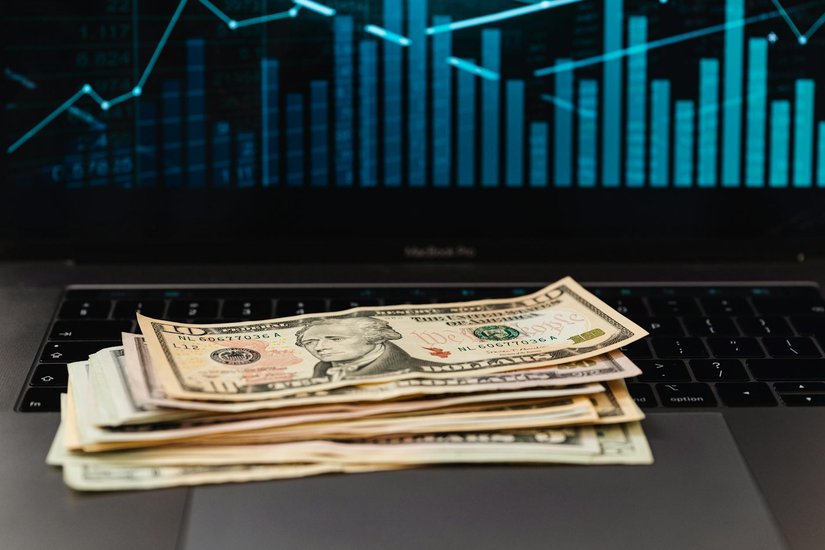
Tangible assets are perhaps the easiest to conceptualize. They are physical assets that have a material form and can be touched, seen, and often physically moved. Think of the land beneath a skyscraper, the machinery humming in a factory, the gold bullion in a vault, or the inventory stacked in a warehouse. These assets provide a foundational solidity to any balance sheet.
Defining Characteristics and Examples:
- Physical Presence: Their existence is verifiable through physical inspection.
- Depreciation: Most tangible assets (excluding land) are subject to wear and tear, obsolescence, or consumption over time, leading to a decrease in their recorded value.
- Easier Valuation: Often, their market value can be more readily assessed due to comparable market transactions or established appraisal methods.
- Collateral Value: Due to their physical nature and often stable value, they are frequently used as collateral for loans.
Common examples include:
- Real Estate: Land, buildings, commercial properties.
- Machinery & Equipment: Factory machines, vehicles, office equipment.
- Inventory: Raw materials, work-in-progress, finished goods.
- Natural Resources: Timberland, oil reserves, mineral deposits.
- Precious Metals: Gold, silver, platinum.
The advantages of tangible assets include their relative stability, potential as an inflation hedge (especially real estate and gold), and direct utility in business operations. However, they also come with disadvantages such as maintenance costs, insurance expenses, illiquidity for very large assets, and the ever-present challenge of depreciation.
Intangible Assets: The Invisible Engine of Growth
In stark contrast to their tangible counterparts, intangible assets lack physical substance. They are not physical objects you can touch or see, but they possess immense economic value because they represent rights, privileges, or competitive advantages that contribute to future earnings. In today's knowledge-driven economy, these assets are increasingly becoming the primary drivers of corporate valuation and individual success.
Defining Characteristics and Examples:
- Lack of Physical Form: Their value is derived from intellectual property, legal rights, or market recognition.
- Amortization: Similar to depreciation, many intangible assets (like patents) have a finite legal or economic life over which their cost is expensed. Some, like goodwill, are tested for impairment.
- Complex Valuation: Valuing intangibles can be significantly more challenging, often requiring sophisticated financial modeling based on future cash flows, market multiples, or cost approaches.
- Strategic Advantage: They often provide a unique competitive edge, allowing businesses to differentiate themselves in the market.
Key examples include:
- Intellectual Property: Patents, copyrights, trademarks, trade secrets.
- Brand Recognition: The value associated with a strong and reputable brand name.
- Goodwill: The premium paid for a company above the fair value of its identifiable net tangible assets, reflecting customer loyalty, reputation, and other unquantifiable factors.
- Software & Technology: Proprietary software, algorithms, databases.
- Customer Relationships: Established client bases, loyalty programs.
- Human Capital: The skills, knowledge, and experience of a workforce, though rarely recognized on a balance sheet.
Intangible assets offer incredible growth potential, often scalability, and can be relatively low-maintenance once established. However, they carry risks such as obsolescence, difficulty in protection (legal battles over IP), and a high dependency on market perception and technological advancements. Their illiquidity can also be a challenge, as finding a market for a very specific patent or a niche brand can be difficult.

The Crucial Comparison: Tangible vs. Intangible – A Deeper Dive
Understanding the individual nature of tangible and intangible assets is only the first step. The true mastery lies in discerning how their differences impact investment decisions, business strategy, and overall wealth management.
- Valuation Methodology: Tangible assets often rely on cost, market comparables, or income approaches tied to physical utility. Intangible assets, especially those driving competitive advantage, often require more complex income-based valuations, projecting future revenue streams attributable to the asset.
- Risk Profile: Tangibles face risks of physical damage, wear and tear, and market fluctuations tied to physical demand. Intangibles are vulnerable to technological disruption, brand erosion, legal challenges to intellectual property, and shifts in consumer preferences.
- Balance Sheet Recognition: Tangible assets are almost always recognized on a balance sheet at their historical cost less accumulated depreciation. Intangibles are often only recorded if acquired (e.g., purchasing another company's patent); internally generated intangibles (like a developed brand) are typically expensed as they are created.
- Liquidity: While market-dependent, many tangible assets (like publicly traded commodities or well-located real estate) can be liquidated more readily than highly specific or niche intangible assets, which may have a very limited buyer pool.
- Strategic Importance: Tangible assets form the operational backbone – the factories, offices, and tools. Intangible assets provide the unique selling proposition, the competitive moat, and the engine for future innovation and differentiation.
Key Takeaways:
- Tangible assets are physical, depreciate, and are often easier to value and use as collateral.
- Intangible assets lack physical form, drive future earnings through rights or advantages, and are more complex to value.
- Modern wealth creation increasingly relies on the effective leverage and protection of intangible assets.
To further illustrate the distinctions, consider the following table:
| Feature | Tangible Assets | Intangible Assets |
|---|---|---|
| Physical Form | Yes (e.g., land, machinery) | No (e.g., patents, brand) |
| Visibility | Clearly visible and identifiable | Often abstract, value derived from legal rights/reputation |
| Value Driver | Physical utility, market demand for physical item | Future earning potential, competitive advantage |
| Valuation Difficulty | Generally easier (comparables, cost) | More complex (discounted cash flows, relief from royalty) |
| Consumption/Loss of Value | Depreciation (wear and tear, obsolescence) | Amortization (finite life), Impairment (loss of value) |
| Balance Sheet Entry | Recognized at acquisition cost less depreciation | Typically capitalized only if acquired externally (e.g., a patent bought from another company) |
| Examples | Real estate, vehicles, inventory, gold | Patents, trademarks, brand value, software, goodwill |
The Synergistic Power: Integrating Both for Optimal Portfolios
The most successful enterprises and individuals understand that true wealth is not built by exclusively focusing on one type of asset. Instead, it’s about creating a harmonious synergy between tangible and intangible assets. A manufacturing company, for example, relies on its tangible assets – factories, machinery, and raw materials – to produce goods. However, its true market advantage often stems from its intangible assets: proprietary manufacturing processes (patents/trade secrets), a trusted brand name built over decades, and skilled human capital. Without its brand, the physical products might struggle; without its machinery, the brand would have nothing to sell.
Consider a tech giant. While it owns vast data centers (tangible assets), its staggering valuation comes predominantly from its software (copyrights, patents), user base (customer relationships), algorithms (trade secrets), and global brand recognition (trademark, goodwill). The tangible assets provide the infrastructure; the intangible assets create the exponential value.
For individual wealth builders, this means not only investing in real estate or stocks (tangibles and financial assets often backed by tangibles) but also cultivating and protecting personal intellectual property, developing unique skills (human capital), and building a strong personal brand. The value of your unique expertise – an intangible asset – can often far outstrip the returns from many traditional tangible investments.

Expert Tip: Building a Balanced Asset Portfolio
To optimize your wealth portfolio, consciously evaluate your exposure to both tangible and intangible assets. For businesses, this means investing in both physical infrastructure and robust R&D, brand building, and talent development. For individuals, diversify beyond traditional investments by nurturing your skills, protecting your creative works, and building a strong personal and professional network. Balance the stability and utility of tangibles with the growth potential and competitive edge of intangibles. The ideal mix depends on your risk tolerance, industry, and strategic objectives.
Conclusion: The Holistic View of Wealth
In conclusion, the journey from asset accumulation to true wealth mastery is paved with understanding. The distinction between tangible and intangible assets is not merely an accounting nuance but a fundamental framework for strategic decision-making. Tangible assets provide the essential physical foundation and operational capacity, offering a sense of stability and often easier valuation. Intangible assets, on the other hand, are the engines of innovation, competitive differentiation, and exponential growth, albeit with greater complexity in valuation and protection.
As the global economy continues its rapid evolution, driven by information, technology, and creativity, the relative importance of intangible assets is only set to increase. Future-proof your portfolio – whether personal or corporate – by adopting a holistic view. Understand not just what you own, but why it holds value, how it interacts with other assets, and how it contributes to your long-term vision. Embrace both the visible strength of your tangible assets and the invisible power of your intangibles. This comprehensive understanding is the hallmark of truly masterful asset management.
Deja una respuesta