
Your Invisible Financial Friend: A Beginner's Guide to Understanding and Mastering Credit
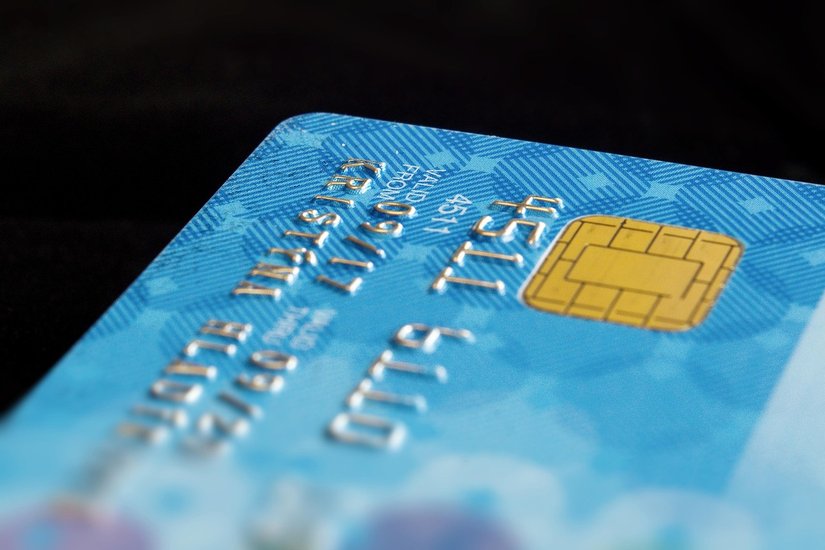
Welcome, future financial maestro! You've likely heard the word "credit" tossed around – in whispers about dream homes, shouts about new cars, or even in the fine print of a phone contract. It might sound complex, like a secret language only bankers speak, but I’m here to tell you it’s actually one of the most powerful and accessible tools in your financial toolkit. Think of me as your expert guide, ready to demystify credit and empower you to harness its incredible potential.
In the world of personal finance, credit is your reputation. It's how lenders, landlords, and even some employers judge your reliability and trustworthiness when it comes to money. A good credit reputation opens doors; a poor one can make things surprisingly difficult. But here's the exciting part: building and maintaining a strong credit profile is absolutely within your reach, regardless of where you're starting from. Let's embark on this journey together to understand credit, why it matters, and how you can make it work for YOU.
What Exactly IS Credit? (ELI5 Edition)
Imagine you want to borrow your friend's favorite book. Your friend needs to trust that you’ll return it, undamaged, and on time. If you've always returned things you borrowed in the past, your friend trusts you more. If you've lost things or returned them late, they might be hesitant.
Credit works in a very similar way, but with money. When you get "credit," someone (like a bank, a credit card company, or a landlord) is essentially letting you use their money or services now, with the promise that you will pay them back later. Your "creditworthiness" is how likely they think you are to keep that promise.
It's not just about loans or credit cards. Credit extends to many areas of your life:
- Credit Cards: You use the bank's money to make purchases, and you pay them back later (usually with interest if you don't pay the full amount).
- Loans: A bank lends you a lump sum for a car, a house, or education, and you agree to pay it back over time.
- Rentals: A landlord extends you credit by letting you live in their property now, expecting you to pay rent on time each month.
- Utility Services: Electricity, water, internet companies provide service now, expecting payment later.
In essence, credit is a financial promise. And just like any promise, keeping it builds trust, while breaking it erodes trust. This trust is quantified in something called your "credit score," and detailed in your "credit report."
The Core Components: Your Credit Report and Score
Think of your credit report as your financial diary, meticulously kept by independent agencies called credit bureaus (in the U.S., these are Equifax, Experian, and TransUnion). This diary details almost everything you've ever done with borrowed money or accounts where payment is expected over time. What's inside?
- Personal Information: Your name, addresses, Social Security number, and employment history.
- Credit Accounts: A list of all your credit cards, loans (mortgages, car loans, student loans), and other lines of credit. For each account, it shows when you opened it, your credit limit or original loan amount, your current balance, and most importantly, your payment history.
- Payment History: This is the heart of your report. It shows whether you've paid your bills on time, every time, or if you've been late.
- Public Records: Bankruptcies or collections (though these have become less common on standard reports).
- Credit Inquiries: A record of who has looked at your credit report.
Your credit score, on the other hand, is a three-digit number (typically ranging from 300 to 850 for common scoring models like FICO and VantageScore) that summarizes all the information in your credit report into a single, easy-to-digest risk assessment. It’s like a quick "thumbs up" or "thumbs down" for lenders. A higher score means you’re seen as a lower risk, while a lower score suggests a higher risk.

Why Does Good Credit Matter to YOU?
Having good credit isn't just a nice-to-have; it's a powerful financial asset that can save you thousands of dollars and unlock significant opportunities throughout your life. Here's why:
- Access to Better Loans & Lower Interest Rates: This is perhaps the biggest benefit. Whether you're buying a house (mortgage), a car (auto loan), or need money for education (student loan), good credit qualifies you for lower interest rates. Even a slightly lower interest rate can save you tens of thousands of dollars over the life of a major loan.
- Easier Approval for Credit Cards: With good credit, you're more likely to be approved for credit cards with better benefits, like travel rewards, cash back, or 0% APR introductory offers.
- Renting an Apartment: Landlords frequently check credit reports to assess a potential tenant's reliability. A strong credit history can be the deciding factor in securing your desired living space.
- Lower Insurance Premiums: In many states, insurance companies use credit-based insurance scores to help determine your rates for auto and home insurance. Good credit can mean lower premiums.
- Easier Utility Hook-ups & Waived Deposits: Companies providing electricity, water, or internet services often check your credit. With good credit, you might not have to pay a security deposit, saving you upfront costs.
- Better Phone Plans & Device Financing: Mobile carriers often look at your credit when you sign up for a new plan or want to finance a new smartphone. Good credit can get you better deals.
✨ Key Takeaway: The Power of Your Promise ✨
Good credit is essentially a financial superpower. It signals to the world that you are a responsible borrower, making you a more attractive candidate for loans, better rates, and various essential services. It’s about more than just borrowing; it’s about establishing trust and opening doors to a smoother financial future.
Building Your Credit from Scratch: A Step-by-Step Guide
Don't have much credit history? No problem! Everyone starts somewhere. Here’s how you can begin building a strong credit foundation:
- Get a Secured Credit Card: This is often the easiest entry point. You deposit money into an account, and that deposit becomes your credit limit. You use the card like a regular credit card, make payments, and the bank reports your activity to the credit bureaus. After a period of responsible use, your deposit may be returned, and the card might convert to an unsecured one.
- Consider a Credit-Builder Loan: With this type of loan, the money you borrow is often held in a savings account while you make payments. Once the loan is fully paid off, you receive the money. It's a low-risk way to demonstrate payment responsibility.
- Become an Authorized User: If a trusted family member with excellent credit is willing, they can add you as an authorized user on one of their credit card accounts. Their positive payment history might then appear on your credit report, giving you a boost. Just be sure they are indeed responsible with their credit.
- Pay ALL Bills ON TIME, EVERY TIME: This is, without a doubt, the single most important factor for good credit. Whether it's a credit card, a loan, or even just your rent and utility bills (if reported to bureaus), consistent on-time payments show reliability. Set up automatic payments or reminders!
- Keep Your Credit Card Balances Low: This relates to your "credit utilization ratio" – the amount of credit you're using compared to your total available credit. If you have a $1,000 credit limit and a $900 balance, your utilization is 90% (which is high). Aim to keep this ratio below 30%, ideally even lower (under 10%). Paying your full balance every month is the best strategy.
- Don't Open Too Much New Credit Too Quickly: While it might be tempting to apply for every credit card offer you receive, each application results in a "hard inquiry" on your credit report, which can slightly lower your score temporarily. Space out applications.
- Monitor Your Credit Regularly: You are entitled to a free copy of your credit report from each of the three major credit bureaus once a year (via AnnualCreditReport.com). Review them for accuracy and dispute any errors immediately. Many credit card companies also offer free credit score monitoring.

Common Credit Misconceptions Debunked
- Myth 1: Checking your own credit hurts it. False! Checking your own credit report or score is a "soft inquiry" and has no impact on your credit score. Lenders making a decision (like for a loan) do "hard inquiries," which can have a minor, temporary impact.
- Myth 2: You need to carry a balance on your credit card to build credit. Absolutely false! You should always aim to pay your credit card balance in full every month. This avoids interest charges and demonstrates excellent payment habits. Paying in full actually helps your score more than carrying a balance, as it results in a 0% credit utilization for that account.
- Myth 3: Closing old credit card accounts is always good for your credit. Not necessarily. Closing an old account can shorten your average length of credit history and reduce your total available credit, which in turn can increase your credit utilization ratio. This could potentially hurt your score. Keep old, unused accounts open if they have no annual fees and you're not tempted to use them.
🌿 Tips for a Healthy Credit Lifestyle 🌿
- ✅ Automate Payments: Never miss a due date.
- ✅ Live Within Your Means: Don't spend more than you can afford to pay back.
- ✅ Review Statements: Catch errors or fraudulent activity quickly.
- ✅ Patience is Key: Building good credit takes time and consistent effort.
Understanding Your Credit Score: The Numbers Game
Your credit score is a snapshot of your financial reliability. While the exact algorithms are proprietary, here's a general breakdown of what typically goes into your FICO score (the most widely used scoring model) and what different score ranges generally mean:
- Payment History (35%): Your record of on-time payments. Late payments are very damaging.
- Amounts Owed / Credit Utilization (30%): How much credit you're using compared to your total available credit. Lower is better.
- Length of Credit History (15%): The longer your accounts have been open and active, the better.
- New Credit (10%): How many new accounts you've opened recently and how many hard inquiries you have.
- Credit Mix (10%): Having a healthy mix of different types of credit (e.g., credit cards, installment loans) can be beneficial, but don't open accounts just to diversify.
Here’s a general idea of what credit score ranges mean to lenders:
| Score Range (FICO) | Assessment | Lender's Perspective |
|---|---|---|
| 800 - 850 | Exceptional | The best rates, highest approval odds. Virtually no risk. |
| 740 - 799 | Very Good | Excellent rates and terms. Low risk. |
| 670 - 739 | Good | Generally approved, decent rates. Acceptable risk. |
| 580 - 669 | Fair | May be approved, but with higher interest rates or less favorable terms. Some risk. |
| 300 - 579 | Poor | Approval is difficult, if at all, and comes with very high interest rates. High risk. |

What to Do If Your Credit Needs a Boost
If your credit isn't where you want it to be, don't despair! It's a journey, not a destination, and you can always improve it.
- Get Your Credit Reports: Your first step is always to know exactly what’s on your reports. Get your free reports from AnnualCreditReport.com.
- Dispute Errors: One in five credit reports contains an error. If you find incorrect information (like an account that isn't yours, or a late payment that was actually on time), dispute it directly with the credit bureau. This can significantly improve your score.
- Tackle Overdue Accounts: If you have any accounts that are past due, prioritize paying them off. If you can't pay them all, contact the creditor to set up a payment plan. Getting current on delinquent accounts is crucial.
- Pay Down High-Interest Debt: Focus on credit cards with high balances, especially those with high interest rates. Reducing your credit utilization will have a positive impact.
- Seek Professional Help (If Needed): If you feel overwhelmed by debt or complex credit issues, consider contacting a non-profit credit counseling agency. They can help you create a budget, negotiate with creditors, and develop a debt management plan.
Remember, improving credit takes time and consistent effort. There are no quick fixes or magic bullets. Be wary of any service that promises to "repair" your credit overnight.
🏃 Your Credit Journey: A Summary 🏃
Credit is an indispensable part of modern financial life. It's your financial promise, reflected in your credit report and summarized by your credit score. By understanding its components, appreciating its importance, and diligently applying sound financial habits like paying on time and keeping balances low, you can build a robust credit profile. This will not only save you money but also unlock countless opportunities, from buying a home to securing the best deals on everything from insurance to mobile phones. Start today, stay consistent, and watch your financial future flourish!

Deja una respuesta