
Your Passport to Financial Freedom: A Beginner's Guide to Understanding and Mastering Credit

Welcome, future financial maestro! You've landed on a critical juncture in your financial journey, a place where many feel overwhelmed, but where, with the right guidance, clarity and confidence bloom. I'm here to demystify one of the most powerful, yet often misunderstood, tools in your financial arsenal: credit.
Think of credit not as a debt trap, but as a sophisticated system of trust. It's the engine that powers big life milestones – your first home, that essential car, or even pursuing higher education. Without understanding how credit works, you're navigating a vast ocean without a compass. But fear not! By the end of this post, you'll have a solid foundation, an expert's insights delivered simply, and the confidence to take control of your credit journey.
Let's unlock the secrets of credit together, making complex concepts crystal clear and empowering you to build a robust financial future.
What is Credit, Really? The ELI5 Version
Imagine you borrow a really cool toy from a friend. They trust you'll bring it back in good condition, perhaps even promising to let you borrow it again because you're reliable. That's essentially what credit is, but with money!
In financial terms, credit is simply the ability to borrow money or access goods and services with the understanding that you'll pay for them later. The "later" part is crucial, as is your promise to repay, often with an additional fee called interest. When you use credit, you're essentially getting a loan based on someone's belief in your ability and willingness to pay it back. This "someone" could be a bank, a credit union, or a store.
Every time you repay what you've borrowed on time, you're building a reputation as a trustworthy borrower. This reputation is invaluable and is meticulously tracked, forming the bedrock of your financial life.
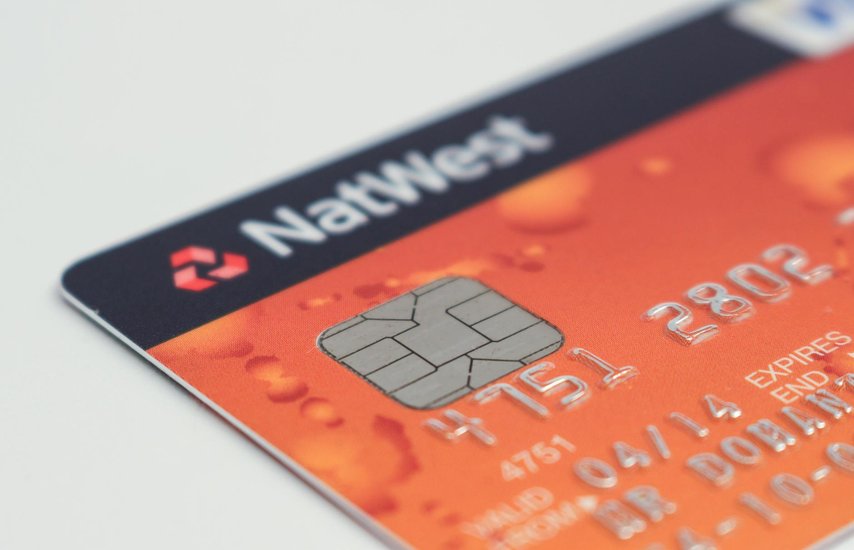
Why Is Credit So Important? Your Financial Superpower
You might be thinking, "Why can't I just save up for everything?" While saving is fantastic and always encouraged, there are times when credit becomes an indispensable tool. It's your financial superpower, enabling opportunities that would otherwise be out of reach.
1. Major Purchases:
Buying a house or a car are often the biggest financial commitments most people make. Very few can pay for these outright. Lenders, like banks, use your credit history to decide if they'll lend you the huge sums needed for a mortgage or an auto loan, and what interest rate they'll offer. Good credit means better rates, saving you tens of thousands over the life of the loan.
2. Emergencies:
Life is unpredictable. A sudden medical bill, an unexpected car repair, or a job loss can strike anyone. A healthy credit line or a credit card can act as a financial safety net, providing a bridge until you get back on your feet.
3. Renting an Apartment & Utilities:
Landlords often check your credit to gauge your reliability. Utility companies (electricity, water, internet) might also check your credit, and a poor score could mean a higher deposit or even refusal of service.
4. Insurance Rates:
Did you know your credit score can affect your car or home insurance premiums? Insurers often use credit-based insurance scores (which correlate with credit scores) to predict the likelihood of you filing a claim. Better credit often means lower premiums.
5. Building a Financial Future:
Ultimately, good credit opens doors. It grants you access to better financial products, lower interest rates, and more favorable terms, allowing your money to work harder for you and accelerating your journey to financial freedom.
Your Credit Score: The Financial Grade Card
Your credit score is a three-digit number that summarizes your entire credit history. It's like a grade on your financial report card. The most common one in the U.S. is the FICO Score, ranging from 300 to 850. The higher your score, the better your reputation as a borrower. Lenders use this score to quickly assess your risk.
What goes into this magical number? Here's a simplified breakdown:
Key Takeaways: The FICO Score Factors
- Payment History (35%): This is the BIGGEST factor. Do you pay your bills on time? Every single late payment can ding your score significantly.
- Amounts Owed / Credit Utilization (30%): How much credit you're using compared to how much credit you have available. Keeping your credit card balances low (ideally below 30% of your limit) is crucial.
- Length of Credit History (15%): How long have your credit accounts been open? Older accounts, especially if in good standing, show a longer track record of responsible borrowing.
- New Credit (10%): How many new credit accounts have you opened recently? Too many new accounts in a short period can signal higher risk.
- Credit Mix (10%): Do you have a healthy mix of different types of credit (e.g., credit cards, student loans, car loans)? This shows you can handle various kinds of debt responsibly.
Understanding these five pillars is your first step to actively building and maintaining an excellent credit score.

Types of Credit: Not All Loans Are Created Equal
Just like there are different types of vehicles, there are different types of credit, each with its own purpose and mechanics.
1. Revolving Credit (The Credit Card):
Imagine a pool of money you can draw from, pay back, and then draw from again, up to a certain limit. That's revolving credit. Credit cards are the most common example. You have a credit limit, you can spend up to that limit, and as you pay down your balance, that credit becomes available again. Interest is charged on any outstanding balance you carry over from month to month.
ELI5: It's like having a magical wallet that refills itself when you put money back in, but if you don't refill it all the way each month, you pay a small fee on the leftover.
2. Installment Credit (Loans):
This is a loan for a specific amount of money, which you pay back in fixed, regular payments (installments) over a set period, usually with interest. Once you've paid it off, the account is closed. Examples include car loans, mortgages, student loans, and personal loans.
ELI5: It's like borrowing a specific amount of money and agreeing to pay back a set amount every month until it's all gone.
3. Open Credit (Charge Cards):
Less common now, charge cards (like some American Express cards) require you to pay your entire balance in full each month. There's usually no pre-set spending limit, but you must clear the debt monthly.
ELI5: You borrow money, but you absolutely, positively MUST pay it all back by the end of the month, no exceptions.
Tips for Choosing Credit Types:
- For everyday spending & emergencies: A credit card (revolving credit) is ideal, but only if you pay the balance in full each month to avoid interest.
- For large, one-time purchases: Installment loans are best suited for things like homes, cars, or education, where you need a large sum upfront and can make consistent payments.
- To build credit: A secured credit card or a credit-builder loan can be excellent starting points, as they pose less risk to the lender.
How to Build Good Credit from Scratch: Your Action Plan
Starting with no credit can feel like a Catch-22: you need credit to get credit! But don't despair. Here’s a clear path forward:
1. Get a Secured Credit Card:
This is often the easiest entry point. You put down a deposit (which becomes your credit limit), and the card works like a regular credit card. Because your deposit secures the card, there's little risk for the issuer, making it accessible even with no credit history. Use it responsibly, paying on time, and it reports to credit bureaus, helping you build a positive history.
2. Become an Authorized User:
Ask a trusted family member with excellent credit if you can be added as an authorized user to one of their credit card accounts. Their good payment history can then reflect positively on your credit report. Just be sure they are responsible, as their mistakes could also affect you.
3. Consider a Credit-Builder Loan:
Offered by some credit unions and community banks, with these loans, the money you "borrow" is held in a savings account or CD, and you make regular payments. Once the loan is paid off, you get access to the money. This demonstrates your ability to make consistent payments.
4. Pay Everything on Time, Every Time:
This is the golden rule of credit. Set up auto-pay, calendar reminders – whatever it takes. Consistency is key.
5. Keep Credit Utilization Low:
For revolving credit, try to use less than 30% of your available credit. If your card limit is $500, try to keep your balance below $150.
6. Don't Open Too Many Accounts at Once:
Each new application results in a "hard inquiry" on your credit report, which can temporarily lower your score. Apply for credit only when you truly need it.

The Credit Report: Your Financial Life Story
Beyond your three-digit score, there's a detailed document called your credit report. This report is a comprehensive record of your credit history, maintained by the three major credit bureaus: Experian, Equifax, and TransUnion. It includes:
- Your personal information (name, address, Social Security number).
- A list of all your credit accounts (credit cards, loans, mortgages).
- Your payment history for each account.
- Any public records (bankruptcies, foreclosures).
- Inquiries (who has requested to see your credit report).
You are entitled to a free copy of your credit report from each of the three major bureaus once every 12 months. The official website for this is www.annualcreditreport.com. Checking your report regularly is vital to:
- Ensure accuracy and dispute any errors.
- Monitor for signs of identity theft.
- Understand what factors are impacting your credit score.
Here’s a quick look at what you’ll find:
| Report Section | What It Contains | Why It's Important |
|---|---|---|
| Personal Information | Name, address, DOB, SSN, employers | Ensures correct identity is being reported. |
| Credit Accounts | Credit cards, loans (type, date opened, limit, balance) | Shows your mix of credit and current debt levels. |
| Payment History | Record of on-time or late payments for each account | Directly impacts 35% of your credit score. Accuracy is critical! |
| Public Records | Bankruptcies, foreclosures (less common now) | Significant negative impacts on your score. |
| Inquiries | Record of who has requested your credit report (hard vs. soft) | Hard inquiries can slightly lower your score; soft ones do not. |
Common Credit Mistakes to Avoid
Even with the best intentions, it's easy to stumble. Here are the pitfalls to steer clear of:
- Missing Payments: The absolute worst thing you can do for your credit. Even one late payment can stay on your report for seven years.
- Maxing Out Credit Cards: High credit utilization signals risk and severely lowers your score.
- Closing Old Accounts: While tempting to simplify, closing old, paid-off accounts can shorten your credit history and reduce your available credit, both negatively impacting your score.
- Applying for Too Much Credit: Every "hard inquiry" from a credit application can dip your score slightly. Only apply for credit when genuinely needed.
- Ignoring Your Credit Report: Errors happen! Not checking your report means you won't catch mistakes or signs of identity theft that could be dragging your score down.

Conclusion: Your Credit Journey Starts Now
You've just completed a crash course in credit, moving from a beginner's uncertainty to a foundational understanding. You now know what credit is, why it's vital for major life goals, how your credit score is calculated, the different types of credit available, and how to start building a positive credit history.
Remember, building excellent credit is a marathon, not a sprint. It requires patience, discipline, and consistent responsible behavior. But the rewards – lower interest rates, easier access to loans, and greater financial opportunities – are immensely worth the effort.
Summary for Success:
- Credit is trust: borrow responsibly, repay faithfully.
- Your credit score is your financial reputation; protect it.
- Payment history and credit utilization are your biggest levers.
- Start building credit wisely, even if it's with a secured card.
- Regularly review your credit report for accuracy.
Armed with this knowledge, you are now ready to make informed decisions and carve out a path to enduring financial health. The power to shape your financial future is truly in your hands.
Begin your journey today. Make that first on-time payment, check your credit report, and empower yourself with financial confidence!
Deja una respuesta